
Video
A Reaction Tour Through the British Foods That Feel Familiar, Strange, and Very Hard to Resist
Melvin Maya’s latest British-food reaction moves from breakfast to dessert without forcing a big conclusion. The appeal is in the contrasts: dishes he already knows, dishes he wants to try, and dishes that made him stop and think.
Why this food list works as a British starter kit
The clearest answer to what this video is doing is simple: it uses familiar-looking British dishes to show how much of the country’s food culture is built around comfort, routine, and habit. Melvin Maya is not treating the subject like a formal cooking lesson. He is reacting in real time, using each dish as a chance to compare what he sees with what he knows from American food culture.
That approach gives the video its shape. Instead of a strict ranking or a deep historical breakdown, the conversation moves from breakfast to dinner to dessert in a way that feels easy to follow. The creator behind Smashing English lays out the foods as a kind of sampler plate, and Melvin responds the way many viewers probably would: by noticing what looks familiar, what sounds new, and what he would most want to taste first.
The big savory dishes the video keeps returning to
The strongest food reactions in the video come from the dishes that feel heavy, filling, and built for a full meal rather than a quick bite. The full English breakfast gets an immediate response because it arrives as a lot of food at once. Melvin notices the scale of it right away and treats it as the kind of meal that could easily carry someone through the day. He also flags his own egg sensitivity, which changes how he looks at the plate. That detail matters because it keeps his reaction personal rather than generic.
The same is true when the video moves to Yorkshire pudding and toad in the hole. Melvin does what a lot of American viewers would likely do: he tries to understand the name first, then the food itself. The pudding label stands out because the dish looks more like bread or pastry than dessert. That mismatch between name and appearance is part of the fun of the reaction. It is one of several moments where the video turns food into a language puzzle as much as a meal.
The Sunday roast is where the video leans hardest into the idea of British food as shared routine. The creator describes roast dinners as common family meals, and Melvin responds to the plate as something rich enough to make him rethink his own dinner plans. He notices the meat, potatoes, vegetables, stuffing, and gravy as a complete system rather than separate parts. That matters because the roast is not presented as a special occasion only; it is shown as something built into weekly life.
From there, the video expands into shepherd’s pie and cottage pie, which are easy for the creator to separate by meat type and easy for Melvin to follow because the structure is so direct: savory filling, mashed potatoes, browned top. He keeps returning to the idea of layered comfort food. The same general reaction applies to the broader category of pies. What seems to interest him most is not just the label “pie,” but how often the British version means a full meal inside pastry rather than a sweet dessert.
Pies, pasties, and the pub-and-picnic side of Britain
One of the more useful parts of the video is the way it groups together foods that appear in everyday settings. The Cornish pasty gets described as practical, portable, and tied to work. Melvin hears the origin story and immediately connects it to the kind of hand-held food that makes sense when people need something they can carry and keep warm. That is an important through-line in the video: a lot of British foods are explained less as trendy dishes and more as foods built around use.
The same is true for the Scotch egg and sausage rolls. These are the foods that the creator frames as common at picnics, table spreads, and supermarkets, and Melvin seems especially comfortable with that kind of food category. He does not overthink them. He reacts to them as the sort of thing you might notice at a gathering and immediately understand once it is explained.
The video also gives fish and chips the expected attention, but it does not leave it at the stereotype. Melvin connects it to American fast-food and seafood-counter memories, which helps the dish feel less like a postcard image and more like part of a broader pattern of fried comfort food. That is one of the sharper moments in the reaction because it shows how viewers often understand new food through old references. The dish is British, but the experience of eating it is easy for him to place.
The cultural crossover that stands out most
If there is one food in the video that pushes the conversation beyond “classic British” into something more layered, it is chicken tikka masala. Melvin spends time on it because it complicates the idea of what counts as British food. He talks through the dish as something he has heard discussed in British contexts before, and he frames it as one of the meals he most wants to track down for himself.
That makes the reaction useful, not just entertaining. It shows that British food is not presented here as a sealed-off tradition. The video is very clear that Britain eats food from many places, and chicken tikka masala becomes a good example of that mix. Melvin’s reaction lands in the middle of that explanation, where curiosity matters more than certainty.
The desserts and tea-table foods that round out the picture
The video softens a little when it reaches dessert, but the pattern stays the same: simple ingredients, familiar textures, and a strong sense of home cooking. The creator moves through eton mess, scones, afternoon tea, and trifle, and Melvin responds in a way that shows how much these foods are tied to memory.
He does not need every dessert explained in deep detail to get the point. What matters is the feeling of them. The mix of cream, fruit, meringue, sponge, custard, and jam suggests a food culture that likes soft textures and assembled desserts. That becomes especially clear in the talk about scones, where the conversation shifts from the food itself to the question of how people prefer to eat it. Even there, the video treats small habits as culturally meaningful.
The mention of trifle brings the most personal note in Melvin’s response. He connects it to family memory, which gives the segment an entirely different tone from the rest of the reaction. For a moment, the video stops being just about British cuisine and becomes about how food carries family history. That is probably the best reminder in the whole piece that “common foods” are never only about ingredients. They are also about who made them, who served them, and who remembers them.
What Melvin seems most eager to try next
By the end, the video has built a clear shortlist of foods that grabbed Melvin’s attention. The full English breakfast is one. Fish and chips is another. Chicken tikka masala stands out because he keeps circling back to finding a place to try it. And the roast dinner, with all its parts, clearly leaves an impression.
That is what makes this reaction work as a companion piece: it does not pretend the video is solving British cuisine once and for all. It simply shows a creator sorting through a set of dishes, comparing them to what he knows, and leaving room for curiosity. That is enough. The food list is broad, but the reactions are specific, and that combination gives the video a useful shape.
Watch the original video on YouTube ↗
All About The Life
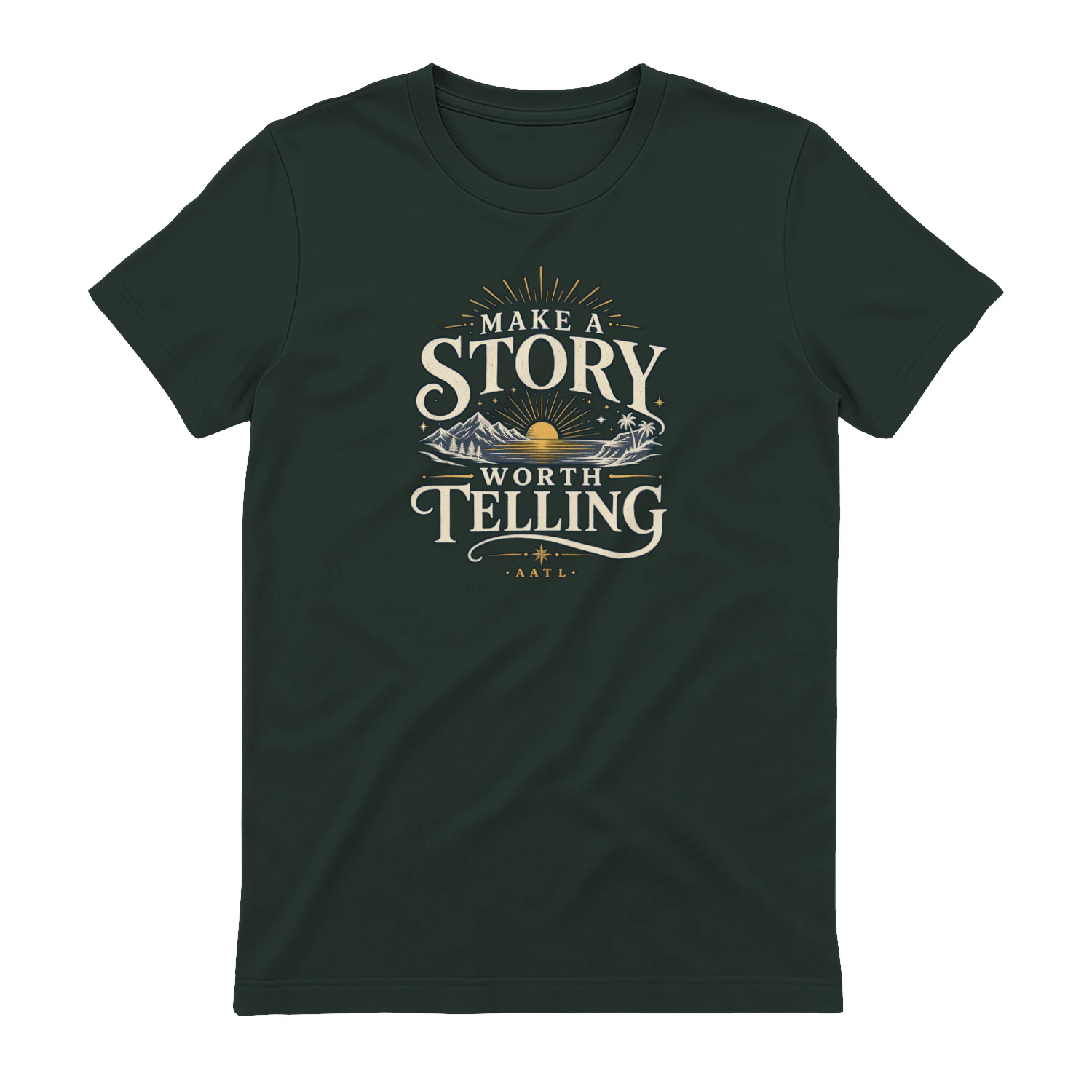
Make A Story Worth Telling
A scenic vintage-inspired design that encourages you to “Make A Story Worth Telling.” Mountains, water, sunset, and tropical details give it an adventurous feel that’s perfect for travelers, explorers, and anyone who wants a life filled with moments worth remembering.