
Video
A Straightforward First Look at Moroccan Food Through Melvin Maya’s Reaction
Melvin Maya’s reaction to a Top 10 Moroccan food list is less about ranking and more about how the dishes land: familiar, surprising, and very easy to want to taste.
A direct read on the video’s takeaway
The simplest answer is that this video works as a compact introduction to Moroccan cuisine through a creator’s real-time reactions. Melvin Maya is watching a Top 10 food list, but he is not treating it like a dry countdown. He responds to the dishes as they appear, comparing them with what he already knows, noting what sounds good, and admitting where a dish feels unfamiliar. That makes the video easy to follow and useful for viewers who want a quick sense of what Moroccan food looks like beyond a single signature dish.
The list itself moves between stews, soups, snacks, desserts, and drinks, which gives the video a broader shape than a simple “best dishes” roundup. It becomes a small tour of Moroccan eating habits as presented in the clip: slow-cooked comfort food, communal plates, special-occasion pastries, and the ever-present role of tea and spices.
Why the list works as a food introduction
One reason the video holds together is that the dishes are not presented as random items. The narrator in the source video ties them to everyday use, holiday meals, special occasions, and hospitality. That gives Melvin something concrete to react to. He is not only hearing names; he is hearing how the food fits into life in Morocco.
Tagine opens the list with the strongest sense of identity. The video describes it as a slow-cooked stew named after the clay pot it is made in, and that alone gives it a clear place in Moroccan cooking. Couscous follows as something communal, served on one large plate with vegetables, chickpeas, and meat. Those early choices set a pattern: Moroccan food here is not just about flavor, but about how people gather around it.
Pastilla is where the list turns more surprising. Melvin’s reaction captures that well. He does not pretend it feels ordinary to him; instead, he acknowledges that he has not really eaten anything like it before. That honesty is one of the best parts of the video because it keeps the feature grounded in a viewer’s first impression rather than a forced expert take.
The dishes that prompted the clearest reactions
Melvin’s responses are strongest when the food connects to something he already understands.
Sardines are a good example. He mentions canned sardines from childhood in the United States, recalls eating them with his dad and brother, and then admits that he is less certain about seafood now. That does not become a rejection of the dish. Instead, it turns into a small reflection on how taste changes over time and how food memories can be tied to family rather than just preference. The Moroccan version in the video is framed as spicy, seasoned, and fried, which makes it feel quite different from the canned version he remembers.
Kefta is another item that seems to land well with him. He describes it in a way that places it somewhere between a kebab and a meatball, which makes sense as a reaction because the dish is built from ground meat and spices. The point here is not culinary precision from the reaction side; it is recognition. Melvin sees a dish that feels approachable, savory, and easy to imagine enjoying.
Then there are the sweets. The crescent-shaped gazelle cookies stand out because they are visual as much as culinary. Melvin responds to them as something he would happily try, and the video’s description of almond paste and orange flower water helps explain why they would make an impression even before a bite is taken. They provide a different kind of appeal from the savory dishes: they are about occasion, aroma, and presentation.
Why the sweet and savory mix stands out
The list moves comfortably between meals and snacks, and that range is part of what makes Moroccan cuisine feel appealing in the video. Tagine and couscous suggest full plates. Harira, described in the source video as a national soup, brings in a more everyday or seasonal comfort-food side. Mint tea then shifts the focus again, not as food exactly, but as a sign of hospitality.
That shift matters. The video does not treat the Moroccan table as fixed around one type of dish. It shows a culture where tea belongs alongside food, where soup can be breakfast, and where a vegetarian salad like zaalouk can be used as a spread so bread is not eaten alone. Those little details help the viewer understand the rhythm of the cuisine without requiring a lecture.
Melvin’s reactions fit that rhythm because he keeps moving between “that sounds tasty,” “I’ve never had anything like that,” and “I’d probably try it.” He is not ranking dishes like a critic. He is reacting like a curious guest. That gives the feature its shape: curiosity instead of authority.
What the video says without overclaiming
This is not a deep culinary breakdown, and it does not try to be one. The value of the video is that it gives a practical first pass at Moroccan food through a friendly reaction format. The food list comes across as varied, spice-forward, and often tied to tradition or hospitality. Melvin’s responses help translate that variety into something relatable for viewers who may not know these dishes at all.
The video also shows how food content works best when it keeps the host’s perspective visible. Melvin does not hide when a dish feels unfamiliar. He does not pretend to be an authority on Moroccan cuisine. He reacts with enough openness to make the list inviting, and enough honesty to make the reaction believable.
If a viewer came away from this video with one simple impression, it would probably be this: Moroccan food is not presented as a single flavor or a single meal. It is a broad mix of stews, soups, snacks, tea, vegetables, seafood, and sweets. That range is what makes the video effective as a companion feature.
Watch the original video
Original video: https://www.youtube.com/watch?v=W6W1i9xbedI
The link above takes you back to Melvin Maya’s reaction and the food list that inspired it.
Watch the original video on YouTube ↗
All About The Life
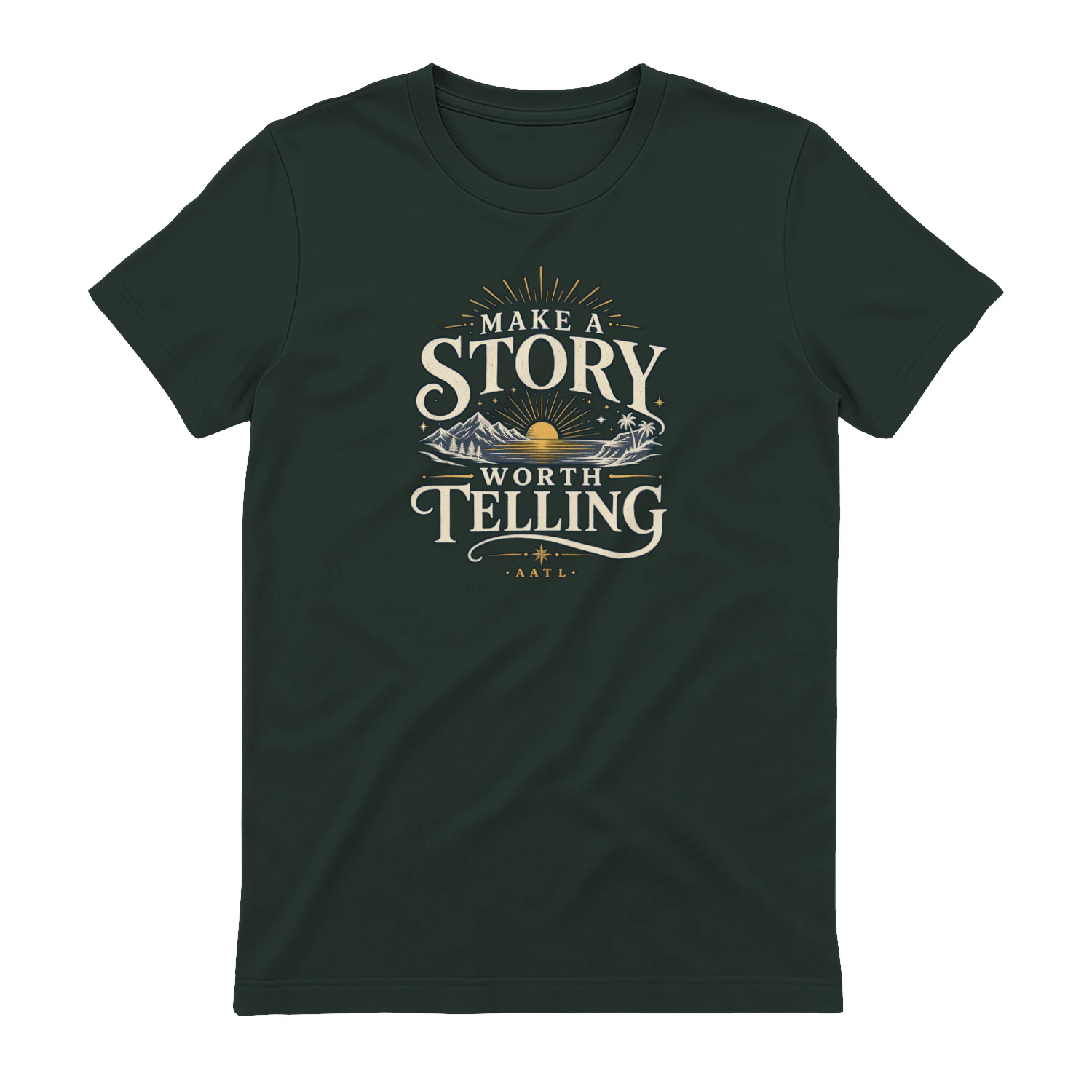
Make A Story Worth Telling
A scenic vintage-inspired design that encourages you to “Make A Story Worth Telling.” Mountains, water, sunset, and tropical details give it an adventurous feel that’s perfect for travelers, explorers, and anyone who wants a life filled with moments worth remembering.