
Video
Harry Mack’s ‘Got the Dog Vibin’ Turns a Casual Reaction Into a Quarantine-Era Time Capsule
Melvin Maya watches Harry Mack freestyle through culture, voting, lacrosse, and Earl the dog, then connects the clip to the strange afterimage of quarantine.
A freestyle built around the people, the dog, and the moment
The direct answer to this reaction is simple: Harry Mack takes a small, live Happy Hour exchange and turns it into a freestyle built from the room itself. Melvin Maya’s response works because he does not treat the clip like a generic showcase. He watches the details land one by one — the dog, the location, the prompt words, and the way Harry Mack keeps tying them together without losing the conversational feel of the session.
That structure gives the video its charm. It begins with a relaxed setup, then quickly becomes a demonstration of how quickly Harry Mack can convert ordinary conversation into performance. Melvin does not need to force the point. The freestyle does that for him.
Why the reaction keeps circling back to quarantine
One of the most interesting parts of Melvin Maya’s commentary is not the rhyme scheme but the memory attached to the setting. The clip is framed through quarantine, and once that comes up, the entire video starts to feel like a reminder of a very specific period. Melvin’s reaction is not nostalgic in a neat or polished way. It is more like recognition that those videos still carry a strange residue.
He notices how hearing the quarantine framing in the intro changes the mood almost immediately. The video becomes more than a performance clip from the past; it becomes a marker of a time when people were isolated, adapting, and looking for connection through screens. Melvin connects that feeling to the larger shifts that followed. He points out that quarantine was not just a weird season in isolation — it left traces in culture, economics, and politics too.
That reflection matters because it explains why the video lingers after the freestyle ends. Melvin is not only reacting to the bars; he is reacting to the period the clip came from. That gives the feature more weight than a simple “Harry Mack was great” response.
The words that shaped the performance
The prompt words in this freestyle are part of what makes the exchange fun to watch. Melvin highlights how Harry Mack works from the words offered in the moment, and the performance keeps returning to them in ways that feel natural rather than forced. Culture becomes the anchor early on, and Harry Mack uses it to talk about hip-hop culture in a broader sense, calling back to elements like DJs, B-boys, B-girls, graffiti writers, and MCs.
That choice sets the tone. Instead of treating “culture” as a vague topic, the freestyle leans into what the phrase means inside hip-hop. From there, the word “vote” gives the moment a different edge. Harry Mack folds it into a public-facing message about showing up and participating, and Melvin notes the timing of that line in relation to voting season and the moment the clip was recorded.
Then there is lacrosse, which gives Harry Mack another specific object to work with. He turns it into a sports reference, then plays off the visual of the stick and the net. What could have been a throwaway prompt becomes another piece of the routine.
The point is not that each word is individually shocking. The point is that Harry Mack keeps converting each one into something usable, while still sounding like he is talking with the people on screen instead of performing over them.
Earl’s role in the clip is part of the charm
The dog named Earl is not just a background detail. Melvin’s reaction makes clear that Earl changes the energy of the exchange. The owner is there, the dog is there, and Harry Mack notices both. That creates a small but real sense of personality in the room.
Melvin pays attention to how much the freestyle includes Earl without making the dog feel like a gimmick. Harry Mack jokes about dogs vibing with the music, then carries that idea into the rhyme. He also gives Earl a shoutout by name, which helps the whole thing feel more personal. Melvin seems to enjoy that balance: the dog is funny, but the moment does not become a cheap novelty.
There is also a subtle reaction inside the reaction. Melvin notices the dog’s attention, the owner’s pride, and the way Earl seems to want a little more spotlight. That is part of why the clip works as a YouTube reaction subject. It has a human center, but it also has a small living detail that keeps stealing attention.
What Melvin Maya takes from the encounter
By the end of the video, Melvin’s takeaway is not complicated. He thinks Harry Mack did what Harry Mack does: improvise cleanly, handle the prompts well, and make the exchange feel personal. But he also spends time on the feeling around the performance, not just the performance itself.
That is where this reaction becomes more than a simple approval clip. Melvin recognizes how strange it is to look back at quarantine-era content now. The performance still works, but it also sits inside a memory of shutdowns, isolation, and the way people tried to keep things moving through screens. He says as much in his commentary, and that gives the feature its last layer.
So the clip ends up doing two things at once. It shows Harry Mack turning a casual interaction into a freestyle built from culture, voting, lacrosse, Ontario, and Earl. And it shows Melvin Maya using that same clip to think about how a moment can be entertaining in real time and strangely time-stamped when looked at later.
Watch the original video on YouTube ↗
All About The Life
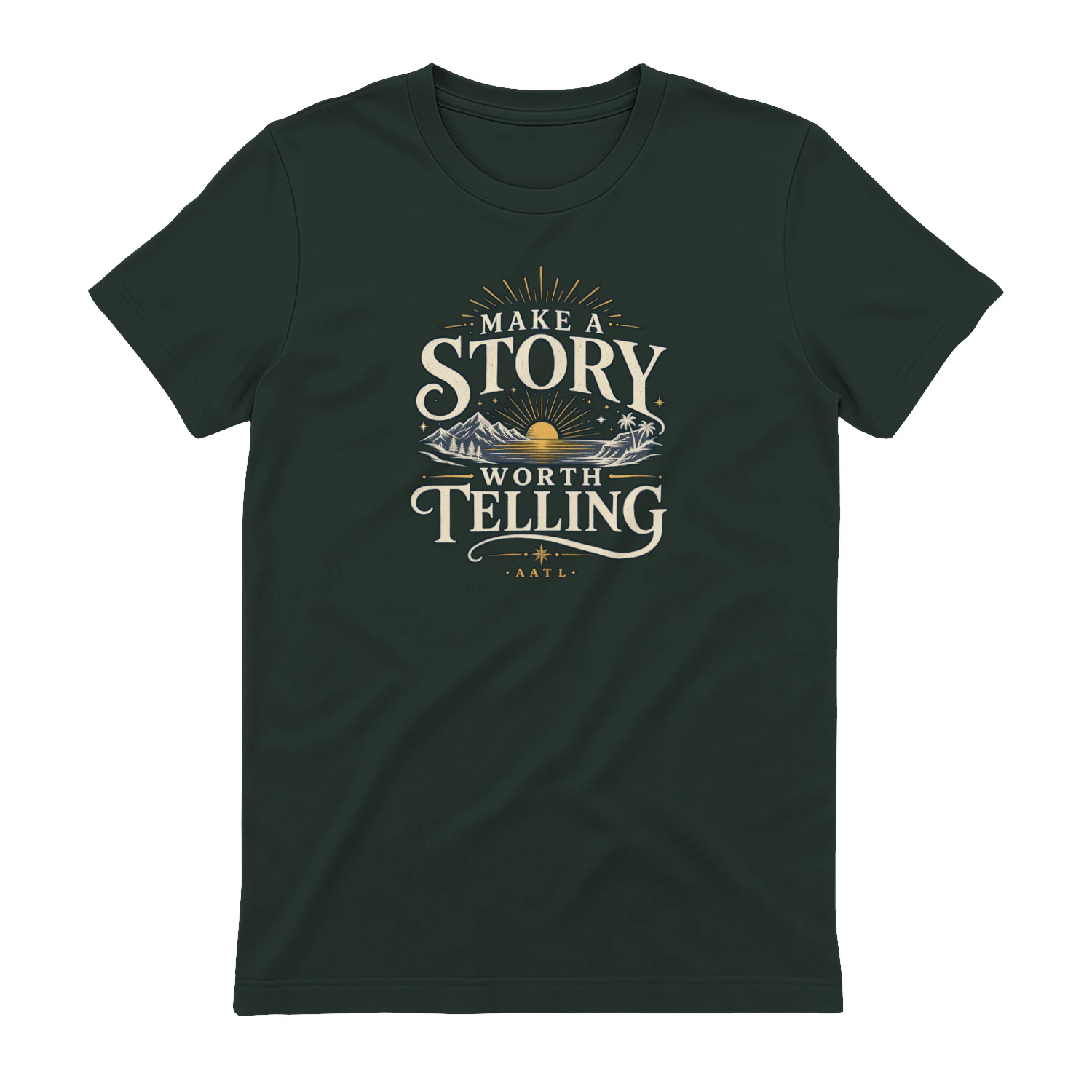
Make A Story Worth Telling
A scenic vintage-inspired design that encourages you to “Make A Story Worth Telling.” Mountains, water, sunset, and tropical details give it an adventurous feel that’s perfect for travelers, explorers, and anyone who wants a life filled with moments worth remembering.