
Video
Harry Mack’s Word Set Lands Hardest When It Starts Reflecting Melvin Maya Back at Him
Melvin Maya’s reaction to this Harry Mack exchange is strongest when the prompts stop being abstract and start sounding like a profile: psychology, marketing, travel, and one more personal touch at the end.
What this reaction is really tracking
The quickest way to describe this Harry Mack freestyle reaction is simple: Melvin Maya is listening for overlap. The video is not built around a big setup or a long explanation. It moves by way of word prompts, and the interest comes from how those prompts land with someone who can hear himself inside them. In this case, that overlap is immediate. Psychology, travel, and hypercars are already enough to suggest a loose cluster of ideas, but the reaction changes once Melvin starts connecting the words to his own work and taste. He is not just judging whether the freestyle is clever. He is reacting to how personally usable the words feel.
That framing matters because it gives the video a different center of gravity. Instead of treating the freestyle like a party trick, Melvin treats it like a live test of association. What does a word do when it touches a person’s actual life? Which prompt feels broad, which one feels specific, and which one opens the door to a longer thought? The exchange becomes interesting because the words are not floating in a vacuum. They are being measured against a real person’s inner map.
Why psychology and marketing sit so close together
One of the clearest threads in the transcript is Melvin’s interest in marketing. He says he has a real love for it, especially the way brands work. That is not a throwaway comment. It is the reason the prompt set becomes more than a casual word game. When marketing appears, he immediately links it to psychology, explaining that marketing depends on getting into people’s minds and emotions in order to move them toward a purchase or another action.
That connection is the heart of the reaction’s appeal. Melvin is not using psychology as a decorative word. He is describing the mechanics behind the kind of work he already does for a living. He mentions that he runs a marketing department, which makes the prompt feel less like a random topic and more like a mirror. The video’s energy comes from that recognition: a freestyle prompt can be entertaining on its own, but it gets more charged when the listener already lives inside the subject.
The result is a small but useful reminder about why some reaction videos work better than others. They do not always need bigger stakes. Sometimes they just need a clear point of contact between the creator and the material. Here, marketing is that contact point, and psychology is the concept that helps explain why the word hits so cleanly.
Travel as the word that makes the prompt set personal
If psychology and marketing make the exchange intellectually interesting, travel is the word that makes it feel personal. Melvin says travel is one of the things that specifically speaks to him, and that choice of language matters. He does not present travel as a vague lifestyle ideal. He presents it as a real preference, part of the mix of things he wants to hear and respond to.
That is also why the title’s idea of “grew up traveling” fits the emotional shape of the reaction even when the transcript itself stays focused on the prompts. The travel theme gives the exchange a sense of movement and identity. It is not just about places. It is about the kind of person who notices travel as a meaningful category in the first place. In a short reaction, that can do a lot of work. It turns the clip from a narrow freestyle prompt into something that suggests a whole background of experience and interest.
Travel also changes the tone of the listening. Words tied to movement and discovery often carry a different weight from words tied to commerce or performance. In this video, that contrast helps the prompt stack breathe. One word reflects professional life, another reflects personal taste, and the pair together keep the reaction from settling into one lane.
Why the final added word matters
The transcript also makes a point of the final addition to the prompt list: marketing. Melvin and the speaker discuss whether it would be too much to add one more word, and the answer is basically no. That small moment matters because it shows the rhythm of the exchange. The setup is not rigid. It is flexible enough to let one more idea in, and that extra word helps complete the shape of the reaction.
There is a reason the added word works. Marketing ties the set together from the angle of human motivation. Psychology explains the mental side. Travel brings in lived experience. Hypercars adds a different kind of interest and status signal, even if the transcript does not dwell on it. Marketing then becomes the word that lets the other themes connect without feeling random. It gives the cluster a practical center.
Melvin’s response to that addition is telling. He says he loves it. He is not just politely accepting the prompt structure; he seems energized by how well the word fits his interests. That kind of response gives the video its emotional shape. The strongest reactions often happen when a creator can see a prompt not only as content, but as a relevant lens on their own work.
What the exchange reveals about the format
This video works because it shows how a small prompt set can expose a lot about how someone listens. Melvin is drawn to words that have a job to do. Psychology is useful because it explains behavior. Marketing is useful because it turns that behavior into action. Travel is useful because it points to identity and experience. Even the brief mention of hypercars contributes to the sense that these are not abstract words chosen at random; they are the kinds of topics that can carry personality.
That makes the reaction feel grounded. There is no need for exaggerated commentary or a big emotional arc. The interest comes from fit, and fit is often enough. Melvin hears the prompts and immediately starts placing them into a real-world frame: his own job, his own interests, and the kinds of ideas that matter to him. That is what gives the clip its shape.
For viewers, the takeaway is straightforward. A freestyle reaction can be entertaining because of speed or wit, but it can also be interesting because of relevance. When the words line up with a creator’s actual life, the exchange stops feeling like a random stunt and starts feeling like a conversation with a profile.
Watch the original video on YouTube ↗
All About The Life
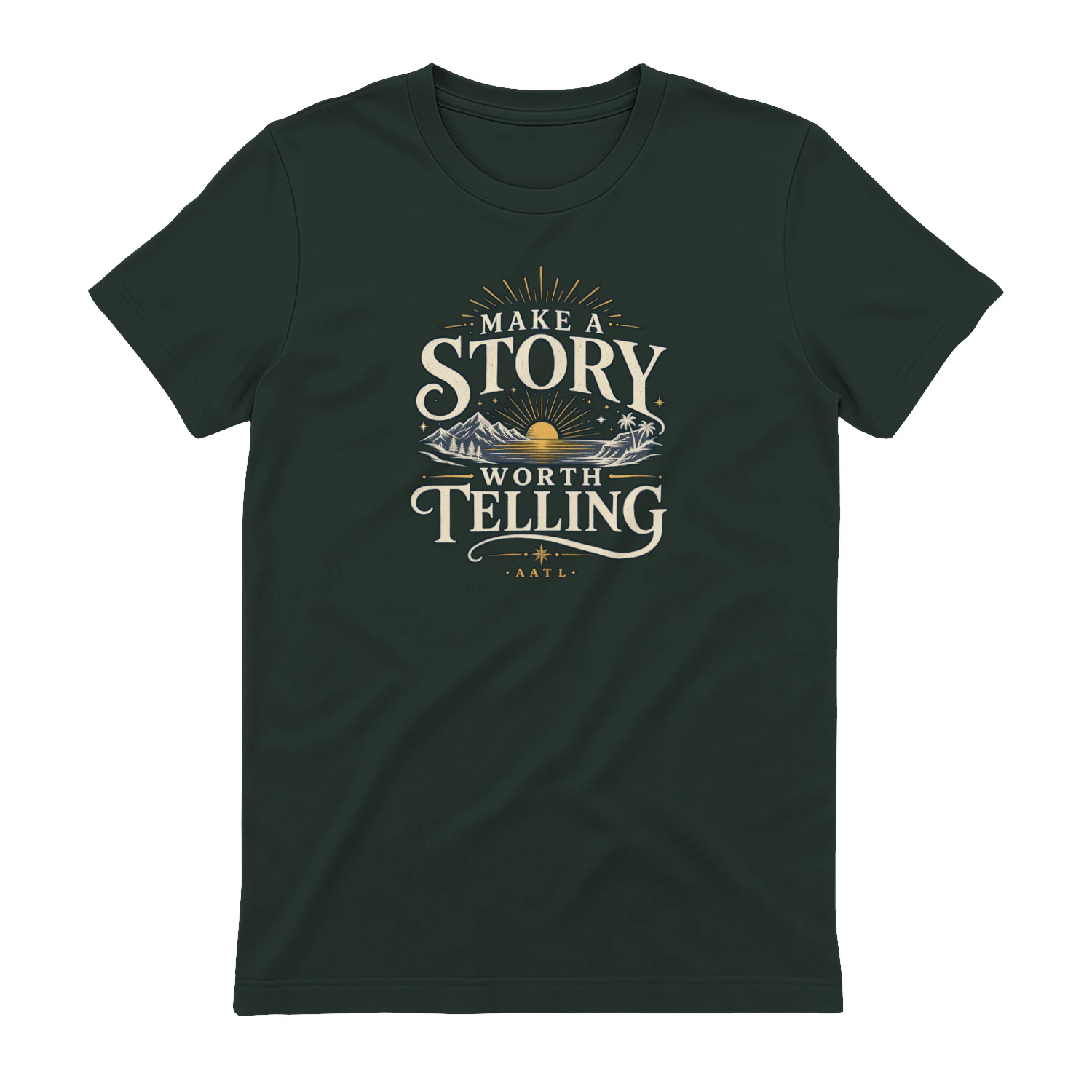
Make A Story Worth Telling
A scenic vintage-inspired design that encourages you to “Make A Story Worth Telling.” Mountains, water, sunset, and tropical details give it an adventurous feel that’s perfect for travelers, explorers, and anyone who wants a life filled with moments worth remembering.