
Video
Jamaica’s Best Stops, Grouped by the Kind of Trip They Suggest
Melvin Maya’s reaction turns a long list of Jamaica destinations into something easier to use: beaches, waterfalls, river trips, heritage sites, and the places he says he has already visited.
Why this Jamaica list works as a quick trip planner
The strongest thing about this video is not just the number of places named. It is the way the list reveals how broad a Jamaica trip can be without leaving the island’s core identity behind. The video moves from mountains to beaches to waterfalls to heritage sites, and Melvin Maya’s reactions keep turning that spread into something easier to picture. His response gives the viewer a simple takeaway: Jamaica is not one kind of vacation. It is several at once.
That is the value of the format. Instead of presenting the island as a single package, the video keeps separating it into experiences. Some stops are about nature. Some are about history. Some are built for slow movement and scenic views. Others lean toward more active tourism. Melvin repeatedly responds to that variety by comparing it with his own cruise-based experiences, which makes the list feel more like a real travel reference than a generic countdown.
The natural places that anchor the island’s appeal
The opening stretch sets the tone. Blue and John Crow Mountains National Park is presented as a place of forested slopes, coffee plantations, wildlife, and a climb toward Jamaica’s highest peak. Melvin’s reaction is telling here: he treats it as the kind of place that is easy to miss on a short port stop but more realistic on a longer stay. That distinction matters. It points to a recurring theme in the video: some of Jamaica’s best-known outdoor spots fit better into a fuller trip than a tightly scheduled excursion.
That same pattern shows up again with Port Antonio and the Blue Hole mention later in the video. The appeal is not just that these places are scenic. It is that they suggest a version of Jamaica built around natural movement: jungle, water, and space to slow down. The video’s examples keep returning to that mix, whether the setting is a rainforest-cloaked hillside or a swimming spot tucked into the landscape.
Waterfalls and river stops the video keeps returning to
The waterfall sequence is one of the clearest parts of the video because Melvin reacts strongly when a place sounds like something he has actually experienced. Dunn’s River Falls stands out in that way. He says he visited it last year and describes it as fun, refreshing, and worth checking out. That reaction gives the listing a different texture. It stops being a travel fact and becomes a lived reference point.
What makes Dunn’s River Falls memorable in the video is not only that it is popular. Melvin emphasizes the climb, the cool water, and the guides who keep the experience moving. In his framing, the attraction works because it blends physical activity with a structured tourist outing. You are not just looking at a waterfall; you are moving through it.
Reach Falls is positioned differently. The narration describes it as quieter and less tourist-heavy, with rainforest surroundings, caves, and gentle cascades. That contrast with Dunn’s River Falls is useful because it shows how Jamaica’s waterfalls are not interchangeable. One is about major traffic and a classic climb. The other suggests a more tucked-away, nature-focused visit.
The river attractions follow the same pattern. Martha Brae River rafting is described as leisurely and scenic, and Melvin lingers on the idea of floating down the river with local guides. He also raises a question about crocodiles, which turns into one of the more practical moments in the video. Even without answering it, the question reveals how viewers naturally evaluate these experiences: they want the atmosphere, but they also want to know what the water actually feels like to enter.
Black River tour comes next, and the video separates it from Martha Brae by naming crocodiles directly. That distinction helps the list avoid flattening Jamaica into a single generic nature package. It frames Black River as a guided boat experience with ecology and wildlife at the center, and it links neatly to Ys Falls, which the narration describes as a bigger, activity-heavy stop with pools and extra attractions.
Beach and town picks that define the coast
The coastal stops are where the video starts to feel especially practical. Negril is introduced as a classic beach destination, and Melvin responds by noting that he may have already been there on a previous trip. That personal overlap matters because it tells viewers which places are likely to be familiar names and which ones might be newer to them. Negril appears as the kind of stop people associate with long beach days, water sports, and sunset views from the cliffs.
Doctors Cave Beach in Montego Bay gets a similar treatment. The narration emphasizes its reputation and the way a single claim helped turn the area into a tourist destination. Melvin corrects his own memory here, realizing this is probably the beach he visited rather than the one he first thought of. Those small self-corrections make the reaction feel useful. They also underline a common travel truth: once you have taken a few cruise stops, the details blur unless you keep track of them.
Falmouth stands out for a different reason. Melvin says it felt much nicer than Montego Bay as a cruise port, which gives the segment a clearer point of view than the other entries. The narration adds Georgian architecture, a heritage walk, and nearby activities like the Luminous Lagoon. Together, those details place Falmouth somewhere between a port call and a history lesson.
History, culture, and the pull of Kingston
The last part of the video widens the frame. Rose Hall Great House brings in plantation history, restored interiors, and ghost lore. Kingston then becomes the anchor for culture and national history, with the Bob Marley Museum and other museums giving the capital a much different role from the beach towns.
Melvin’s reaction to the Bob Marley Museum is especially direct. He says he did not know it had been Marley’s former residence and seems genuinely interested in that detail. That is a useful kind of reaction because it shows how the video helps fill in the gap between name recognition and actual context. The museum is not just a tourist stop in the abstract; it is a place with an address, a former life, and a direct link to the artist’s story.
Kingston closes the list because it holds the most civic weight. The narration points to museums, parks, and landmarks that connect music, art, and independence. That makes the city feel like the serious counterpart to the island’s more recreational side.
What the creator’s reactions add to the list
Melvin’s comments do not change the facts of the list, but they do change how the list feels. He keeps comparing the destinations with cruise excursions, which is a smart lens because it explains why some places are easy to visit in a short window while others probably deserve a longer stay. He also shows a steady preference for spots that combine scenery with activity, whether that means climbing a waterfall, rafting a river, or getting a panoramic view from the mountains.
Just as important, he does not pretend to know everything. He asks questions about the river wildlife, revisits his own memory of places he may have seen before, and wonders aloud whether he would choose these stops on a future trip. That makes the feature useful without making it overconfident.
If you are turning the video into an itinerary
Taken together, the video sketches a simple way to think about Jamaica travel: start with the kind of trip you want, then pick from the island’s clusters. For nature, the mountains and waterfalls stand out. For beach time, Negril and Montego Bay are the obvious names. For history and culture, Kingston and Rose Hall carry the most weight. For river outings, the Bamboo raft and Black River segments show two different moods.
The clearest reason to watch the video is that it helps sort those options before you ever book anything. It does not try to prove that one destination is the best in every category. Instead, it shows how much range Jamaica has, and how a visitor might choose based on pace, scenery, or interest.
Watch the original video on YouTube ↗
All About The Life
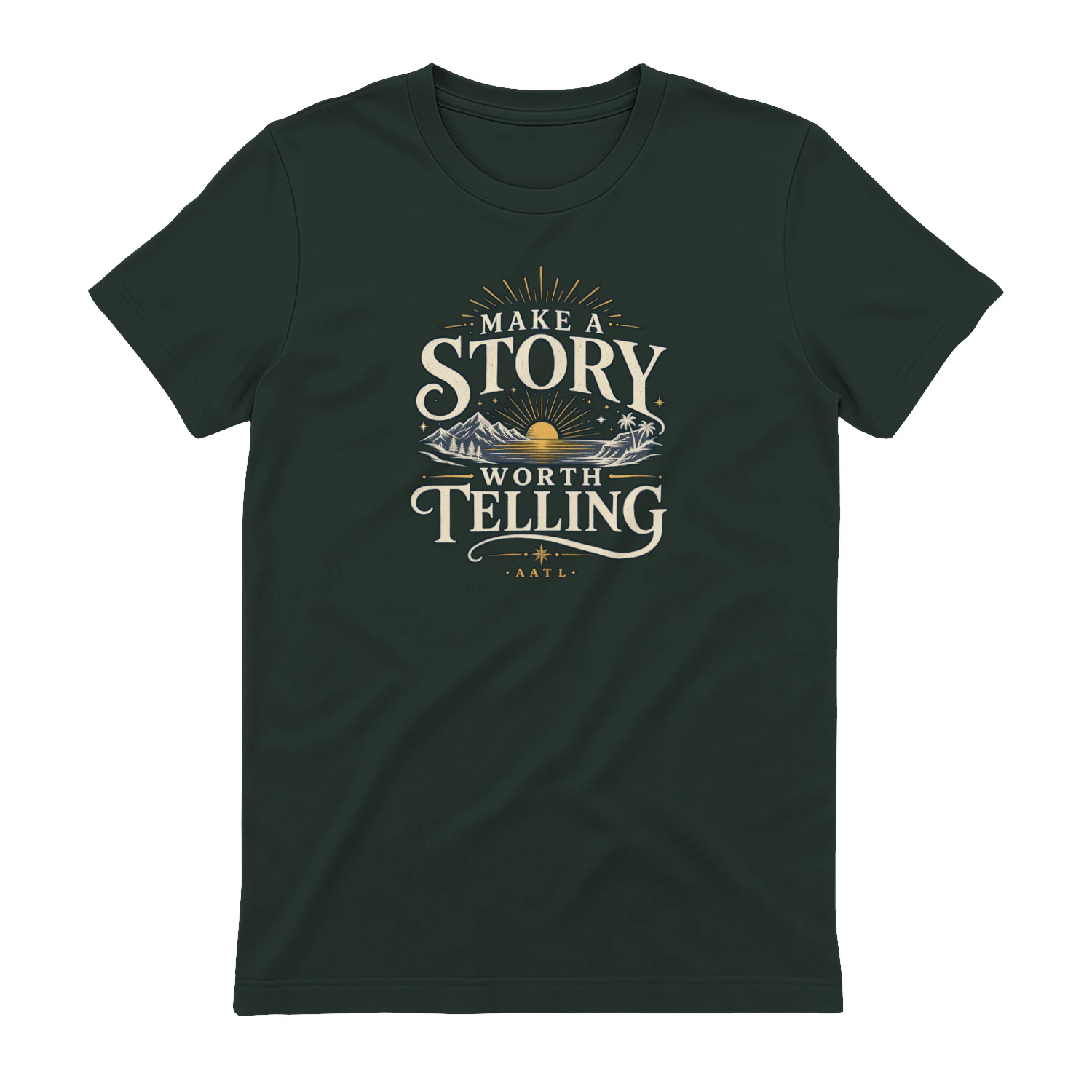
Make A Story Worth Telling
A scenic vintage-inspired design that encourages you to “Make A Story Worth Telling.” Mountains, water, sunset, and tropical details give it an adventurous feel that’s perfect for travelers, explorers, and anyone who wants a life filled with moments worth remembering.