
Video
Melvin Maya Finds a Real Emotional Center in Eden Nash’s ‘Just The Same’
Melvin Maya’s reaction to Eden Nash’s “Just The Same” starts with the song itself, then turns into a broader reflection on what people leave unsaid and why original music matters.
What Melvin Maya hears in Eden Nash’s song
The direct answer is simple: Melvin Maya comes away from Eden Nash’s “Just The Same” thinking the song carries a strong message and deserves to be heard as original work, not just as another track in a reaction playlist. He does not treat it like background audio. He listens for meaning, talks through the lyrics as they appear, and lets the song push him into a very personal reflection about the people we do not always say enough to while they are still here.
That is the shape of this reaction video. It begins as a straightforward watch-through, but it settles into something more specific: a response to the song’s emotional center. Melvin is drawn to the clarity of the lyrics and the fact that the presentation keeps them on screen. That simple format helps him stay locked onto the message instead of getting distracted by production flourishes.
A lyric video that keeps the focus on the message
One of the first things Melvin notices is the simplicity of the presentation. He likes lyric videos that put the words front and center because they make it easier to follow the song line by line. In this case, that choice matters. The video is not trying to overwhelm the listener with visuals. It is giving the lyrics room to do the work.
Melvin also makes a small but telling observation about the style. Since he has seen Eden Nash work with Ren before, he sees a familiar visual approach in the way the lyric video is handled. He does not overstate that connection; he simply notes that the presentation reminds him of work tied to that creative circle. The bigger point is that the format feels clean, readable, and suited to a song built around meaning.
That matters because the song’s message is not subtle in the best sense of the word. Melvin describes the lyrics as deep and says he is loving what the song is saying. He is not chasing a technical breakdown or judging the track on arrangement alone. His reaction is centered on the words and on how directly they land.
Why the song hits a personal nerve
The moment that turns this from a standard reaction into something more revealing is Melvin’s response to the lyric about not waiting until someone dies before telling them what they mean to you. That line clearly stays with him. He turns from the song outward and starts talking about how people often hold back affection, appreciation, or honesty until it is too late.
He does not speak in abstract terms here. He brings the idea into his own life and says he has lost a lot of people over the years. Some of those losses came after stretches where he had not been in close contact with them, which means he did not get every chance he wanted to say what he felt. He is careful not to suggest that those relationships were unloved or empty. In fact, he says that when he was close with people, he made sure they knew they mattered. Still, there is a difference between generally caring about someone and saying it clearly, and that is what the song seems to stir up for him.
This is where the reaction earns its weight. Melvin is not simply agreeing with a lyric because it sounds nice. He is connecting it to a real human problem: unfinished conversations, delayed gratitude, and the discomfort that comes after loss when there is no longer a chance to speak openly. The song gives him a prompt, and he uses it to say something direct and useful about how people should treat the relationships already in their lives.
Melvin’s case for more original Eden Nash music
After the song ends, Melvin’s reaction shifts from personal reflection to advocacy. He says he would like to see more original music from Eden Nash. That comment matters because it shows he is not just impressed by this one track; he is thinking about her broader output and what kind of artist she might be when she is working in her own material.
He also mentions that many of the Eden Nash reactions he has done have been covers, while the original material he has seen has been tied to work with Ren. That distinction shapes the way he talks about her channel. He seems to feel that her own original work has not received the attention it deserves. He points out that she does not appear to have been posting recently and says he thinks she should have more than the subscriber count he believes she has at the moment.
The important thing here is that Melvin is not being performative about support. He is making a plain argument: if viewers enjoy her collaborations or the song in this video, they should go look at her channel, listen to what she has there, and subscribe if they want to encourage more of it. He frames that as a practical way to help an artist keep creating.
Why this reaction feels bigger than a one-song review
A lot of reaction videos end with “I liked that.” This one goes a little further because Melvin uses the song as a reminder about communication, grief, and the value of telling people what they mean to you while you still can. That is the part that makes the video feel complete. The music gives him a point of entry, but the reflection is what lingers.
It also helps that he does not pretend to know Eden Nash’s full story. He is clear that he does not know why her uploads seem to have slowed down. He offers possibilities, but only as possibilities: maybe she is doing something else, maybe she is working in a different group, maybe she has stepped away from music. That restraint keeps the piece grounded in what the video actually shows, which is a viewer trying to understand an artist from the outside without overreaching.
For anyone searching for a Eden Nash Just The Same reaction, this is the useful takeaway. Melvin Maya hears a song with emotional clarity, responds to the lyric about loss and appreciation, and ends up using the moment to encourage people to pay attention to an artist he believes deserves more visibility.
Watch the original video on YouTube ↗
All About The Life
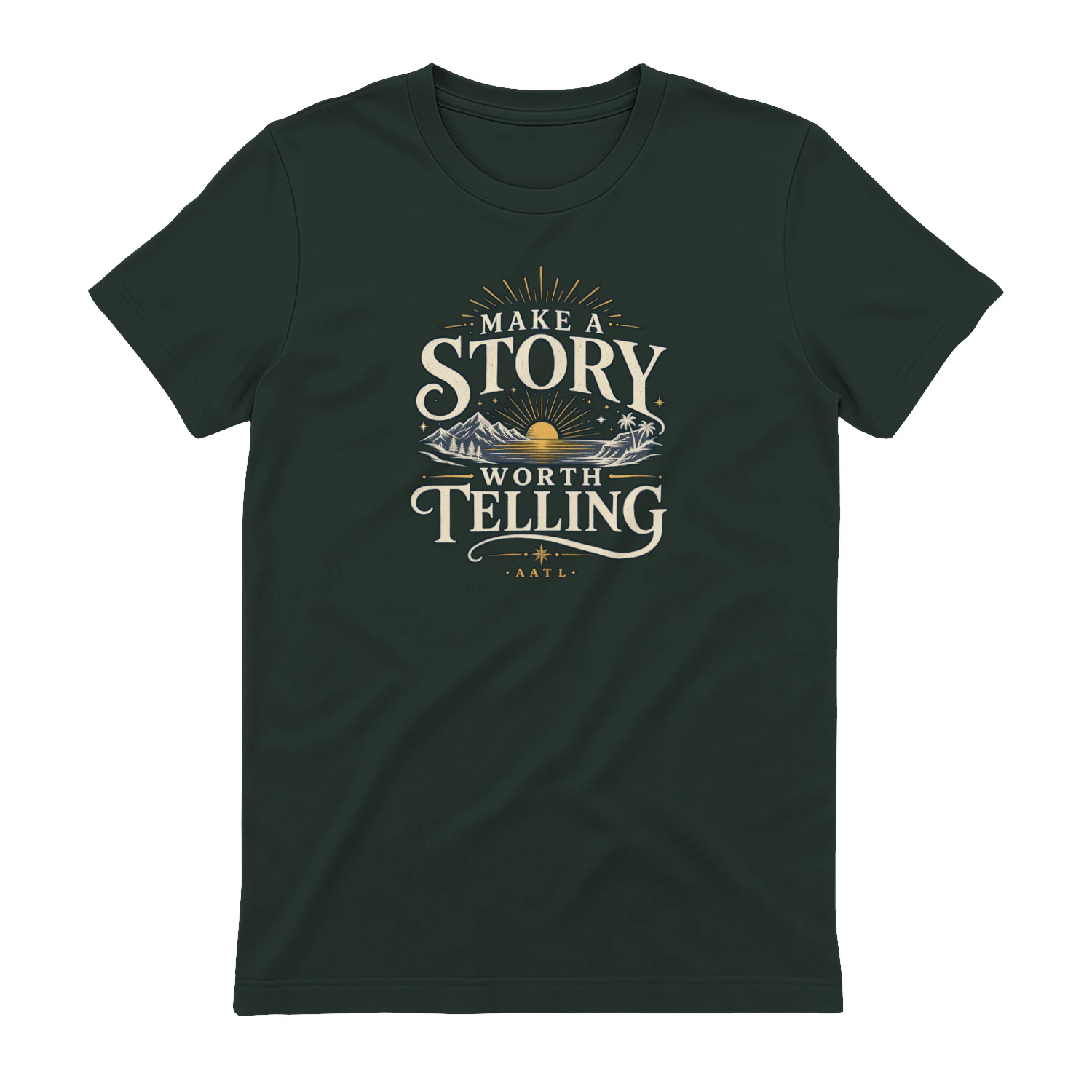
Make A Story Worth Telling
A scenic vintage-inspired design that encourages you to “Make A Story Worth Telling.” Mountains, water, sunset, and tropical details give it an adventurous feel that’s perfect for travelers, explorers, and anyone who wants a life filled with moments worth remembering.