
Video
Ren’s ‘Crucify Your Culture’ Lands as a Sharp Reaction to Power, Money, and Distraction
Melvin Maya’s response treats Ren’s short track as a direct critique of systems, not a loose mood piece, while also noticing how the song’s handmade-looking visuals and rap-rock energy shape the message.
A reaction that quickly turns into commentary
Melvin Maya opens this one with a simple frame: he is reacting to another Ren track, and this time the title alone suggests something harsher than a standard lyrical performance. That instinct proves right almost immediately. Rather than treating Ren’s “Crucify Your Culture” as just another watch-and-react clip, Melvin starts reading the track as a statement about power, corruption, and the ways people get pulled away from what actually matters.
The direct answer to what this video is doing is straightforward: it is not only a reaction to the song’s sound, but also a response to its message. Melvin hears a critique of money, politics, and distraction, and he keeps connecting those ideas to the messiness of public life as he sees it. He is careful not to turn the video into a full political monologue, but he is equally clear that the song pushes him toward that territory.
The visual style makes the track feel handmade and immediate
Before the lyrics take over, Melvin notices the look of the video. He expects something different from a standard animation and says it feels more like paper cut-out work, possibly stop motion. That first impression matters because it sets the tone for everything that follows. The visuals seem rough-edged and tactile, which matches the confrontational quality of the song itself.
As he keeps watching, Melvin ties the imagery to a broader pattern in Ren’s work. The bag over the head, the hard-edged figures, and the money-game feel of the visuals make the performance seem part of a larger thematic universe rather than a one-off clip. He does not over-explain the symbolism, but he clearly reads the image choices as reinforcing the song’s warning about control and dehumanization.
That is one reason the video lands. It does not ask the viewer to separate style from meaning. The visual treatment and the lyrics seem to move together, with the handmade look giving the track an unsettled, urgent feel.
Money, power, and distraction are the song’s central targets
Melvin’s longest stretch of commentary focuses on what he hears in the lyrics. He picks up on the song’s broad attack on systems that turn people into assets instead of treating them like human beings. He hears criticism of war, greed, propaganda, and the way public attention gets redirected toward trivial spectacle while larger problems stay buried.
He also connects the song to the present moment without pretending to offer a clean political solution. Inflation, cost of living, wages, wars, and public polarization all come up in his response as examples of the pressures people are living under. His point is not that the song solves those issues, but that it names a familiar frustration: the feeling that ordinary people are dealing with the consequences while leaders keep spinning the conversation away from the real problems.
That perspective gives the reaction a practical edge. Melvin is not simply agreeing with the song’s stance. He is explaining why the stance resonates. In his view, the track points at a world where attention is managed, truth is obscured, and the public is handed distractions while bigger agendas continue behind the scenes.
Why the sound pulls Melvin toward older rap-rock references
The music itself sends Melvin in an unexpected direction. He says the track reminds him of early Beastie Boys material, especially the period that sits between their rawer punk-influenced work and the more overt rap-rock blend they later became known for. He is not trying to make a formal comparison; he is reaching for a reference point that captures the track’s rough energy and hybrid feel.
That comparison is useful because it highlights what he hears in Ren’s delivery. The song sounds aggressive without being polished into something slick. It has the kind of momentum that makes genre boundaries less important than attitude and movement. Melvin’s reaction suggests that the track works because it feels unstable in a productive way: part rap, part rock, part protest chant.
He also links that musical energy back to the lyric content. In his read, the harder-edged sound is not decoration. It is part of how the song carries its anger. The style gives the message a body.
The reaction works because Melvin stays close to the song’s mood
What makes this companion feature worth reading is the way Melvin balances opinion with restraint. He admits that he did not take notes because he wanted to stay focused on the performance, and that choice seems to matter. The reaction feels immediate rather than packaged. He is processing the song in real time, then stepping back just enough to explain why it hit him the way it did.
That real-time quality also shapes how he handles the political side of the track. He says upfront that he usually avoids politics in his videos, then explains why this song makes that difficult. He is not trying to turn the channel into a debate space. Instead, he is acknowledging that some songs press on issues that are already sitting in the background of daily life. When a track talks about greed, public manipulation, and social division, he says, it is hard not to notice how much of that language already feels familiar.
In that sense, the reaction is less about verdicts and more about recognition. Melvin hears a song that sharpens concerns many viewers already carry, and he treats that as the point.
Watch the original video
If you want to hear the song and see the visuals Melvin is responding to, watch the original video here: https://www.youtube.com/watch?v=ag2fRKEp50w
For viewers coming to this reaction first, the takeaway is simple. Melvin Maya reads Ren’s “Crucify Your Culture” reaction as a collision of sound, image, and critique: a short track that feels handmade, confrontational, and aimed squarely at the machinery of money and power.
Watch the original video on YouTube ↗
All About The Life
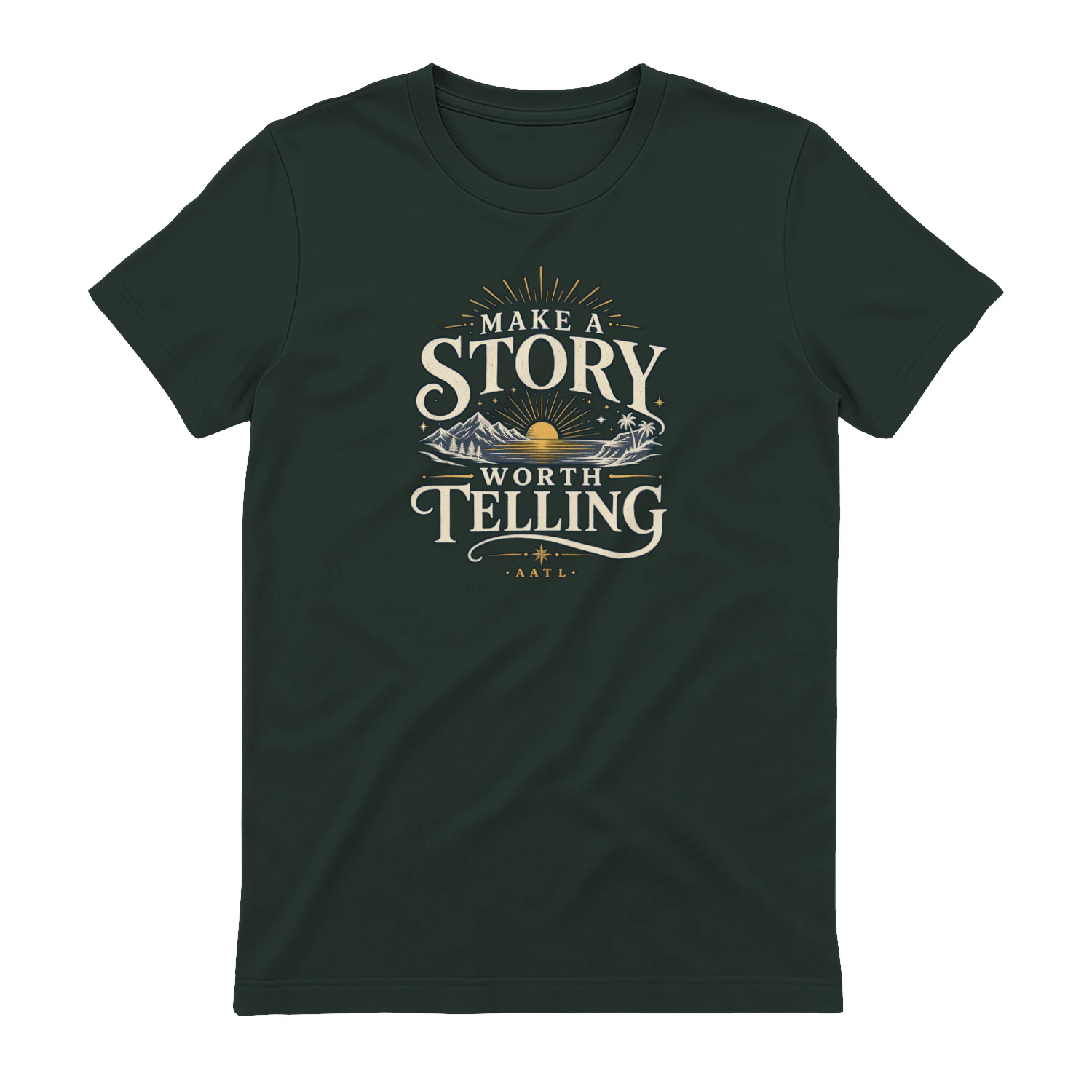
Make A Story Worth Telling
A scenic vintage-inspired design that encourages you to “Make A Story Worth Telling.” Mountains, water, sunset, and tropical details give it an adventurous feel that’s perfect for travelers, explorers, and anyone who wants a life filled with moments worth remembering.