
Video
Ren’s ‘Hi Ren’ Lands as a Performance, a Argument, and a First-Time Shock
Melvin Maya’s reaction starts with the mask and the guitar, but the video quickly becomes about a voice split in two, the staging behind it, and why the performance hits so hard on a first watch.
Load the YouTube player to watch here. YouTube receives technical information when its player loads. This does not enable this site's analytics or marketing tracking.
Watch on YouTube ↗What hits first in Hi Ren
The direct answer is simple: Melvin Maya’s first-time reaction to Ren’s “Hi Ren” is really a first encounter with a performance built to unsettle, surprise, and then keep revealing itself. He goes in with a friend, Patrick, expecting something they can react to together, and the video quickly shifts from casual introduction to concentrated attention.
That shift matters. Melvin does not treat the song as a disposable clip or a clean, one-note reaction. He lets the performance introduce itself through the mask, the guitar, and the oddness of the setup. Before the song even settles into its full shape, he is already noticing how much of the experience is visual. The pig mask stands out immediately. So does the bloody apron. So does the fact that this is not a normal studio-style playback, but a live performance piece captured in one take and then selected from a full run.
That framing gives the whole reaction a different feel. It is not just, “Here’s a song I liked.” It becomes, “Watch this with me while I figure out what kind of thing I’m looking at.”
Why the back-and-forth works
What catches Melvin first is the structure: a conversation with itself. The song is built around Ren splitting into competing voices, and the reaction video mirrors that split by letting the two viewers respond in real time as the tension rises. Melvin picks up on the theatrical push-pull quickly, and Patrick reacts as the song keeps switching registers between confidence, self-doubt, challenge, and collapse.
The strength of this setup is that the song never stays still long enough to become background noise. One moment it sounds like a taunt. The next, it sounds like a confession. Then it turns into a battle over identity, purpose, and control. Melvin recognizes that shape as something familiar, even if he is seeing this particular performance for the first time. He points to the way the track feels like an internal fight rather than a standard verse-chorus exercise.
That is part of why the reaction works as a companion piece. Melvin does not over-explain the artistry while it is happening. He lets the structure do the work. He also makes room for Patrick to register what the performance is doing in the moment, which gives the piece a more natural pace than a solo commentary would have.
The visual choices that change the room
A lot of reaction videos focus on sound first. This one cannot do that, because the visual design is too central to the performance. Melvin flags the pig mask right away, and the apron, wheelchair, and lighting all contribute to the sense that this is not just a musical performance but a staged psychological scene.
The lamps become especially important once Melvin notices the pattern. He points out that the flashing lights track the arrival of the more aggressive voice, which helps turn the whole video into a kind of visual code. Instead of simply hearing the argument, the viewer sees the argument break in and take control of the frame.
That kind of staging is a big reason the performance sticks. Melvin’s reaction shows that clearly. He is not just reacting to lyrics; he is reacting to how the performance uses costume, lighting, and movement to make the inner conflict feel physical. The wheelchair question also becomes part of that reading. Patrick asks whether it is part of the video or part of the person’s condition, and Melvin waits until later to explain that the answer is tied to the artist’s broader health story and the way the video is framed.
A first-time reaction that turns into context
One of the more useful things Melvin does in the video is slow down and supply context only after the performance has had time to land. He explains that Ren’s song was performed live in one take, even though multiple takes were filmed. That detail matters because it changes how viewers understand the intensity. The performance is not just built to sound live; it actually asks to be experienced as a live, front-to-back run.
Melvin then gives a careful backstory without turning the feature into a biography. He explains that Ren is from Wales, and he adds that the artist’s experience with illness, misdiagnosis, psychosis, and later the correct Lyme disease diagnosis shaped the emotional weight of what the audience is seeing. He also notes that Ren had been able to raise money for treatment and spend time in Canada before returning home and resuming new uploads.
That context reframes the earlier question about the wheelchair and the tone of the song. It is no longer just a striking visual. It becomes part of the broader reality behind the performance. Melvin does not use that information to flatten the song into a single explanation. Instead, he uses it to help the viewer understand why the song has connected so powerfully with so many people.
Why the song feels bigger than a reaction clip
Melvin makes a point that is easy to miss if you only watch the performance once: the song resonates because it sounds like the kind of argument many people already have in their own heads. He ties that to work, creativity, self-worth, and the constant question of whether you are heading in the right direction. That is a useful observation because it explains why the performance travels so well beyond a single fan base.
He also compares the back-and-forth structure to other familiar forms, including the kind of internal split that shows up in rap battles with the self. That comparison is not used to shrink the song into someone else’s template. It is used to help a new viewer orient themselves. If you have ever heard a track that stages an argument between competing sides of the same person, the shape of Hi Ren makes immediate sense. What makes Ren stand out is the scale of the performance and the emotional vulnerability inside it.
Melvin’s reaction never loses sight of that. He keeps returning to the feeling that the piece is trying to say something deeply human, not just clever. That is why he ends up describing it as something that can pull viewers down a rabbit hole. Once you have seen this song work, it makes sense to want to hear more.
Why this first watch matters
The value of this video is not that Melvin declares a verdict. It is that he gives the audience a clean entry point into Ren without pretending the song is easy to categorize. He hears the artistry, notices the humor, recognizes the references, and then lets the deeper meaning arrive gradually.
That makes the reaction useful for two kinds of viewers. If you already know Ren, the video captures the experience of watching someone else meet the performance for the first time and slowly realize what is going on. If you do not know Ren, it offers a clear introduction without overloading the song with commentary before it can breathe.
Melvin also leaves enough room for what comes next. He says this is the start of a longer Ren run, not the end of a one-off reaction. That promise gives the piece its shape: first contact, then context, then a path into the rest of the catalog.
Watch the original video on YouTube ↗
All About The Life
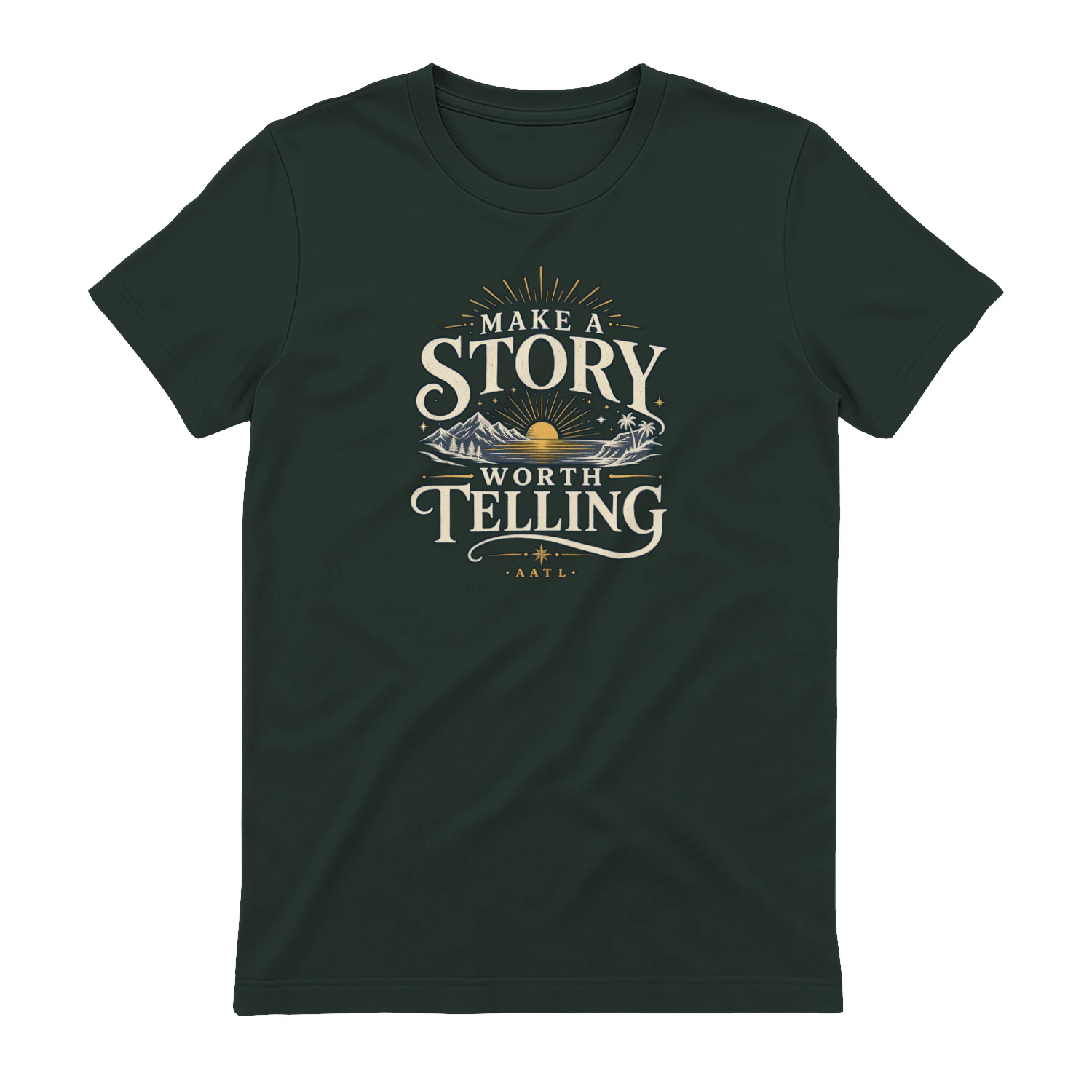
Make A Story Worth Telling
A scenic vintage-inspired design that encourages you to “Make A Story Worth Telling.” Mountains, water, sunset, and tropical details give it an adventurous feel that’s perfect for travelers, explorers, and anyone who wants a life filled with moments worth remembering.