
Video
What Melvin Maya’s New Zealand Reaction Says About Everyday Life Across the Islands
A reaction video about New Zealand turns into a sharper look at daily habits, local taste, and the small surprises that shape how a place feels to live in.
What the video is really pointing at
The direct answer is that this reaction is less about one big revelation than a series of small ones. Melvin Maya is watching a creator walk through ten things that did not become obvious until after living in New Zealand, and the pattern is easy to see: everyday life there feels different in practical, visible ways. The differences are not abstract. They show up in what people notice from their windows, what they eat on the street, how they talk to each other, how they shop, and how they get around.
That is what gives the video its shape. It is not trying to sell New Zealand as perfect or strange. It is showing a country where ordinary habits carry a different texture. For anyone curious about moving to New Zealand, that is the real value here: the biggest adjustments are often the smallest things.
Birds, pies, and coffee as everyday markers
The first few points in the video are the most revealing because they are so specific. Birds come up immediately, and not as a throwaway detail. The creator describes New Zealand as a place that actively cares about birds, even to the point of treating them as part of local identity and property appeal. Melvin latches onto that idea with a familiar American comparison, but the point still stands: in New Zealand, nature is not just background. It is part of how people describe where they live.
That same logic applies to pies. The video is not talking about a large dessert or a sit-down meal, but the small pies that are sold and eaten casually. The creator makes the point that they are bought, unwrapped, and carried along the street. Melvin’s reaction underlines the social rule hidden inside the food: even something as simple as a pie has its own etiquette. Eat it the wrong way, and people notice.
Coffee gets a similar treatment. The creator frames New Zealand as a country that takes coffee seriously, with independent shops doing especially well and major chains less central than one might expect. Melvin responds as a coffee drinker who understands the difference between convenience and quality. That makes the segment land cleanly. The topic is coffee, but the deeper point is local preference. In New Zealand, coffee culture seems to be built around small places and strong standards, not just brand familiarity.
Humor, weather, and the limits of the supermarket
The video shifts from taste to temperament when it talks about humor. The creator describes Kiwi humor as sharp, dry, and sometimes a little mean on the surface, but never truly harmful. Melvin recognizes the comparison to British humor right away. That helps explain why the segment feels more like cultural translation than a joke about jokes. Humor becomes a social tool: a way people connect without needing to soften everything.
Weather is the opposite. If humor sounds easy, the weather sounds stubborn. The creator’s point is not simply that New Zealand gets rain or wind, but that the conditions can shape how people feel about place itself. Wellington, in particular, is presented as windy and cold enough to leave an impression, while other regions can feel humid or tropical. Melvin’s reaction is direct here. He hears the weather section as the kind of detail that can change the whole experience of living somewhere. The climate is not decoration; it affects mood, routine, and comfort.
The supermarket section adds a more practical frustration. Restaurants are described as strong, while supermarkets are not. The creator points to limited range and high expense as the problem, and the reaction treats that as a familiar pattern in travel talk: a place can impress you at the table and still test your patience at the store. That contrast matters because it keeps the video grounded. New Zealand is not being presented as a fantasy. It has strengths and annoyances at the same time.
Drinks, travel, and the shape of the country
The energy drink section is one of the more vivid moments because it shows how a local habit can become almost tribal. The creator talks about V as a national obsession, split between blue and green preferences. Melvin responds with the kind of comparison that makes the point easy to follow: the flavor is less important than the cultural attachment. What matters is that a common drink has become a recognizable part of identity.
Travel gets a different kind of attention. The creator says moving around the country can mean long drives, few trains, and a reliance on flights for city-to-city travel. Melvin takes that as a geography story as much as a transportation story. New Zealand’s layout shapes how people move. Even the ferry between islands is presented as a meaningful stretch of time, which makes flight the practical choice for many trips.
That detail also helps explain why the country feels both connected and spread out. The creator is not complaining so much as describing a reality of distance. In a place built around islands, travel is never just travel. It is part of how the country is organized.
Why the Maori section lands as the strongest note
The final point in the video changes the tone. After birds, food, coffee, humor, weather, groceries, energy drinks, and travel, the creator lands on indigenous culture and specifically on the Maori people as the most meaningful part of the experience. Melvin’s reaction makes this feel like the real emotional center of the clip. The earlier segments are memorable, but this one carries weight.
That is because the video is no longer talking about quirks. It is talking about depth. The creator says learning about Maori culture has been humbling and educational, and that statement reframes everything before it. The point of moving to New Zealand is not just to adjust to local food or weather or slang. It is also to encounter a culture with its own history and importance.
For the viewer, that ending matters because it gives the whole reaction a proper landing place. The list format makes the video easy to follow, but the final takeaway is more serious than the earlier humor suggests. New Zealand may surprise newcomers with birds, pies, coffee, and weather, but the most lasting impression may come from what they learn about the people and culture already there.
What sticks after the reaction ends
If there is one reason this video works as a companion feature, it is that it turns a casual countdown into a useful map of daily life. The creator does not pretend that moving to New Zealand is only scenic or easy. Instead, the video highlights the routines and expectations that shape how the country feels from the inside.
Melvin’s reactions help make those details legible for an American audience, but the larger value is broader than that. The clip shows how a place reveals itself through habits: the way people eat, joke, shop, travel, and talk about what matters. That is the real story behind the list.
For viewers thinking about New Zealand, or just curious about what changes when you live somewhere long enough to stop being a visitor, this reaction offers a clear answer. The surprise is not one thing. It is the accumulation of many small things that start to define a place.
Watch the original video on YouTube ↗
All About The Life
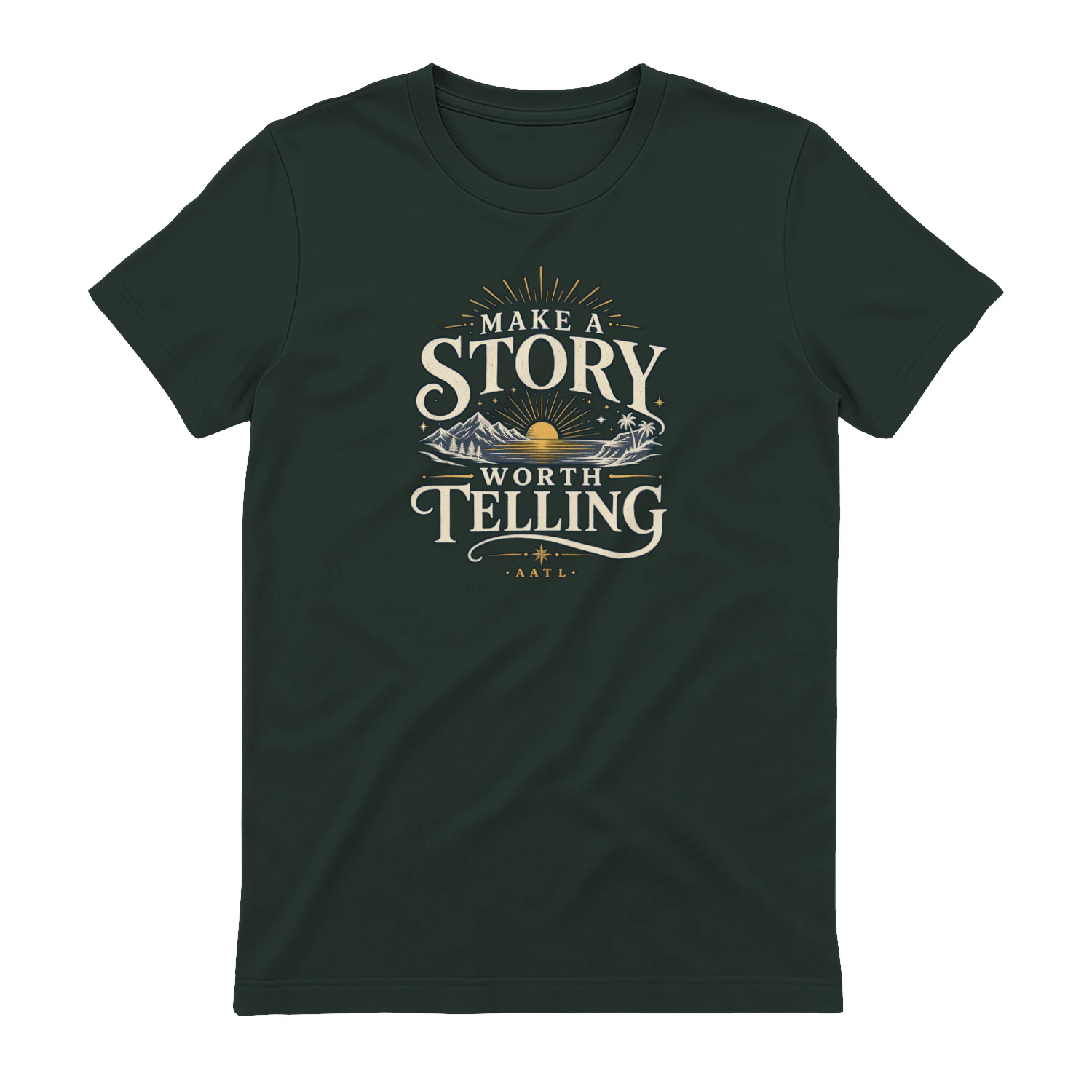
Make A Story Worth Telling
A scenic vintage-inspired design that encourages you to “Make A Story Worth Telling.” Mountains, water, sunset, and tropical details give it an adventurous feel that’s perfect for travelers, explorers, and anyone who wants a life filled with moments worth remembering.