
Video
What Stood Out in Melvin Maya’s Reaction to The Big Push’s Busking Mashup
Melvin Maya watches The Big Push combine three songs into one performance and focuses on the vocals, the arrangement, and the band’s shifting roles.
Why this mashup grabbed attention
Melvin Maya’s reaction to The Big Push starts with a simple setup: this is a busking-style performance built from “Wade in the Water,” “Nina Simone,” and “Trouble So Hard.” That combination is enough to make the clip interesting before the first detailed comment lands. The appeal here is not just that the band is covering familiar material. It is that they are threading multiple songs together inside one live street performance and keeping the whole thing moving with confidence.
The direct answer to what this video is really about is straightforward: Melvin is responding to a performance that feels assembled in real time, but still tight and deliberate. He notices the band’s control, the way voices change hands, and the unusual texture that comes from hearing a song cycle unfold in a busking setting rather than a polished studio cut.
That matters because his reaction is not framed like a technical breakdown or a deep history lesson. It is a first-pass listener’s response to a group that clearly has chemistry. The arrangement gives him enough to notice, and the performance gives him enough to keep leaning in.
What Melvin noticed about the vocals
One of the clearest points in the reaction is Melvin’s focus on vocals. He says the band sounds really good, but what stays with him is Ren’s vocal control and the way he moves between different modes of delivery. Melvin describes a style that feels partly spoken and partly sung, with a kind of back-and-forth flow that he finds hard to pin down with a single label.
That observation is useful because it gets to the shape of the performance rather than just its volume. Melvin is hearing more than someone hitting notes. He is noticing phrasing, transitions, and the ability to shift from a more conversational line into a sung passage without breaking the momentum of the song.
He also notes that this is his first time hearing one of the other band members take vocals in this setting, which adds to the sense that the performance is not only about one front person. The group shares space, and that shared space is part of what gives the clip its personality.
The moment that made the performance feel unusual
A small, specific detail stands out in Melvin’s commentary: at one point, Goran hands over the guitar, and there is a bit of adjustment as the instrument is switched around to suit the next player’s position and preference. Melvin points out the awkwardness in a light way, noting that one player likes the guitar higher while the other has a different setup.
It is a minor moment, but it tells you a lot about the performance style. This is not a perfectly frozen presentation with every handoff hidden from view. It is a working performance, and the handoff itself becomes part of the charm. Melvin finds it funny, but he also clearly sees it as part of the live, human quality of the set.
That human quality is important to the reaction as a whole. The clip gives him enough movement and enough variation to keep the watch interesting: lead vocals shift, instruments move between players, and the mashup keeps changing shape without losing its identity.
Why Melvin keeps circling back to the band’s sound
Melvin’s praise is simple but consistent. He says the group is really good, and he seems especially struck by how naturally the performance holds together even while it crosses between song fragments and lead voices. He does not overstate the moment or turn it into a grand conclusion. Instead, he reacts like someone discovering a band that offers a very specific kind of live energy.
That is where the feature gets its shape. The video is not really about one viral stunt. It is about a listener hearing a band with a strong internal rhythm and enough tonal variety to keep the performance from flattening out. Melvin responds to the contrast between the more rooted material of the songs and the loose, flexible way the group presents them.
Later in the clip, he expands that response by talking about where listeners might find more of the music. He mentions streaming platforms and points out that YouTube Music can be used for audio-only listening. In the context of the reaction, that is less a promo pitch than a sign that the performance has done its job: it makes him want to keep listening.
A band with multiple voices and multiple backgrounds
Melvin also reacts to a comment he has seen suggesting that Goran is Australian, and he asks viewers to confirm whether that is accurate. From there, he notes the possibility of a band made up of members from different places: he mentions a Welsh member, an Aussie, a Frenchman, and what he guesses is a British drummer.
He is careful here not to present that as settled fact. It comes across as a reaction to the band’s international feel rather than a claim the video resolves. Still, the point is clear: part of the appeal is hearing a group that seems to bring different identities into one sound without making the performance feel patched together.
That broad mix may be why the clip lands the way it does. The performance feels rooted in tradition, but not trapped by it. Melvin responds to that balance, especially when the vocals and instrumental shifts make the set feel alive rather than rehearsed to the point of stiffness.
Why this reaction works as a companion feature
This video works because Melvin does not try to over-explain the performance. He notices the things a viewer would likely notice too: the unusual mashup, the vocal approach, the guitar handoff, and the fact that the group sounds locked in even as the arrangement moves through different sections.
He also gives Lauren Reid room to react naturally, which keeps the video from becoming a monologue. Her response helps underline the point that this is the kind of performance that can pull in someone who is hearing the artist for the first time. By the end, she sounds like someone who has found a new band to explore, which is exactly the kind of quiet payoff these reaction videos can deliver.
For viewers looking for a grounded companion to the clip, the takeaway is simple: Melvin Maya’s The Big Push reaction is about musicianship, not spectacle. He is interested in how the performance shifts, how the voices move, and how a live mashup can feel both loose and disciplined at the same time.
Watch the original video on YouTube ↗
All About The Life
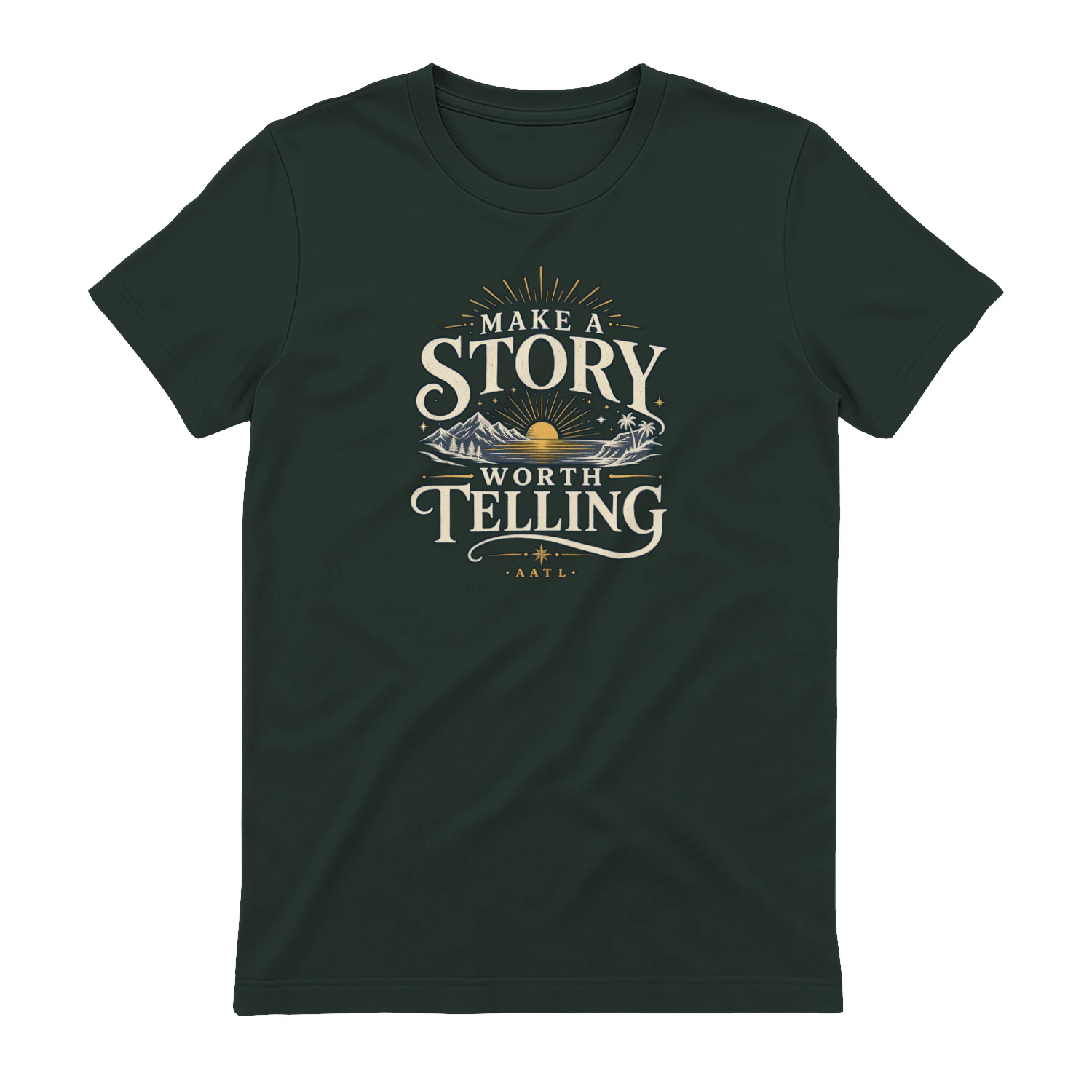
Make A Story Worth Telling
A scenic vintage-inspired design that encourages you to “Make A Story Worth Telling.” Mountains, water, sunset, and tropical details give it an adventurous feel that’s perfect for travelers, explorers, and anyone who wants a life filled with moments worth remembering.