
Video
What to Eat in England, According to a Creator Who Keeps Coming Back to the Pub
Melvin Maya’s reaction to a traditional-English-food guide turns into a practical shortlist: breakfast plates, pub classics, pies, tea-time sweets, and the drinks and ordering habits travelers should expect.
What the video argues from the start
The direct answer is simple: if you are trying to eat your way through England, start with the foods that locals and travelers already recognize as standard, then build from there. That is the lane this reaction stays in. Melvin Maya is not pretending to give a full culinary survey of the country. Instead, he reacts to a practical list of traditional English foods and turns it into a kind of visitor’s cheat sheet.
What makes the video useful is its tone. It does not deny the jokes people make about English food, and it does not pretend every meal in England will be memorable. But it keeps returning to the same point: there are real dishes here that are worth trying, and many of them are easier to find than people think.
Breakfast first: the classic English plate
The most obvious place to begin is breakfast. In the video, the full English breakfast is treated as the essential first stop, the thing that signals you have arrived and are eating with at least some awareness of local habits.
That plate, as described in the reaction, includes fried eggs, baked beans, fried tomatoes, mushrooms, sausage, English bacon, toast, and sometimes hash browns, usually finished with tea. Melvin’s response keeps circling back to the idea that this is not just a random hotel breakfast. It is one of the dishes people think of when they picture English food at its most recognizable.
The video also makes the breakfast feel tied to where you stay. A bed-and-breakfast is presented as the kind of place where you are likely to get it, while bigger hotels may offer versions or variations on the same idea. That is less a rule than a useful expectation: if you want the breakfast that people mean when they say “full English,” you should probably look for it on the menu rather than assuming it will appear anywhere automatically.
Pub meals that define the middle of the day
Once the video moves past breakfast, the pub becomes the center of gravity. That is where most of the familiar food names show up, and the reaction makes a point of treating the pub as part of English culture rather than just a place to grab a drink.
The first essential is fish and chips. In the video, it is described in the familiar way: fried fish with fries and mushy peas. Melvin repeats the idea that a chippy, the takeaway shop focused on fish and chips, is the ideal version if you can find one. If not, a pub version is still presented as worthwhile. That distinction matters because the video is not promising the same experience everywhere; it is helping you rank the options.
Bangers and mash is the next obvious stop. Here the appeal is straightforward: sausages with mashed potatoes. The creator also pauses on the word “bangers,” explaining the old nickname in the way the video frames it, which gives the dish a little more texture than a simple menu label would.
Then comes shepherd’s pie, which the video describes as minced meat, gravy, vegetables, and mashed potatoes on top. The reaction does not try to overcomplicate it. The point is that this is one of those sturdy, familiar comfort dishes that fits the broader pub-food pattern.
Pies get a lot of emphasis because the video clearly sees them as a turning point. Steak and kidney pie is identified as the most common version, but the creator also mentions pork pie and chicken pie with mushrooms. Melvin’s response leans into the idea that the puff-pastry top is part of what makes these pies feel special. In his telling, these are the dishes that can change a skeptic’s opinion about eating in England.
Sunday roasts, pies, and the richer end of the menu
The video then widens out from everyday pub food to the more structured and sometimes more formal dishes people might run into on a Sunday or in a nicer setting.
A Sunday roast is described as a roast served with Yorkshire pudding, and the reaction treats Yorkshire pudding as one of the things travelers should actually care about learning. It is presented as something like a popover, but with its own place in the meal. The overall picture is one of a dinner that feels anchored to Sunday rather than casual weekday eating.
Beef Wellington comes next as the “fancier” option. In the video, it is described as a medallion of beef with pate and puff pastry, and the reaction notes that it sounds expensive but worth it. That is the right way to read this part of the list: not as a must-eat for every visitor, but as a notable British staple that sits at a different level than fish and chips or a pub pie.
The same section also mentions steaks and jacket potatoes, or baked potatoes with toppings that go beyond the basic butter-and-sour-cream approach some American viewers may expect. Bacon and other additions are mentioned as part of the appeal. Again, the video’s point is not complexity for its own sake. It is the broad range of dishes that still fit under the banner of English eating.
Tea time, sweets, and the drinks travelers run into
If breakfast and pub food give the video its savory backbone, tea time gives it a softer ending. The reaction highlights the sweets and pastry culture as part of the experience of eating in England, not just an afterthought.
Cadbury chocolate gets a strong endorsement in the video, with the creator saying the version sold in England feels richer than what many American viewers may know. Melvin’s reaction focuses less on brand comparison than on the larger idea: chocolate is one of the treats you should actively look for if you are shopping there.
The dessert and tea-time section also includes apple crumble, puddings, scones with clotted cream and jam, crumpets, and little tea sandwiches. The video describes high tea as taking place around 4:00 and treats it as a real experience rather than a performance. Melvin’s commentary follows that lead, especially when he notes that tea time is not just about the drink itself but about the whole spread around it.
The drink list is just as practical. Tea is the default. Beer is the pub choice. The video also talks about ales and porters, including the difference in how they are served compared with what many American drinkers are used to. Tap water is mentioned too, but not warmly. The creator recommends bottled water instead.
One other detail stands out: if you ask for lemonade, the video says you may get a fizzy drink closer to Sprite than the still lemonade many Americans expect. That is a useful reminder that even familiar words can work differently once you are ordering abroad.
A few practical notes before you order
The final part of the video feels less like food criticism and more like traveler guidance. The creator explains that tipping exists, but it is not automatic in the same way everywhere. A restaurant where someone brings food to your table may get around 10 percent, while places without table service may not require a tip at all. At pubs, tipping is presented as optional rather than expected.
That makes the whole feature less about ranking dishes and more about helping a visitor enter the routine with fewer surprises. The food list, in other words, is not isolated from the culture around it. Breakfast comes with the B&B, pub food comes with pub hours, tea time has its own clock, and ordering drinks brings its own small translation problems.
What the video leaves you with is not a lecture about national identity. It is a practical map of what to eat in England if you want the most recognizable examples first. Start with the breakfast plate, move through the pub classics, leave room for pie or roast, and do not skip the sweets. That is the path the reaction recommends, and it is a pretty clear one.
Watch the original video on YouTube ↗
All About The Life
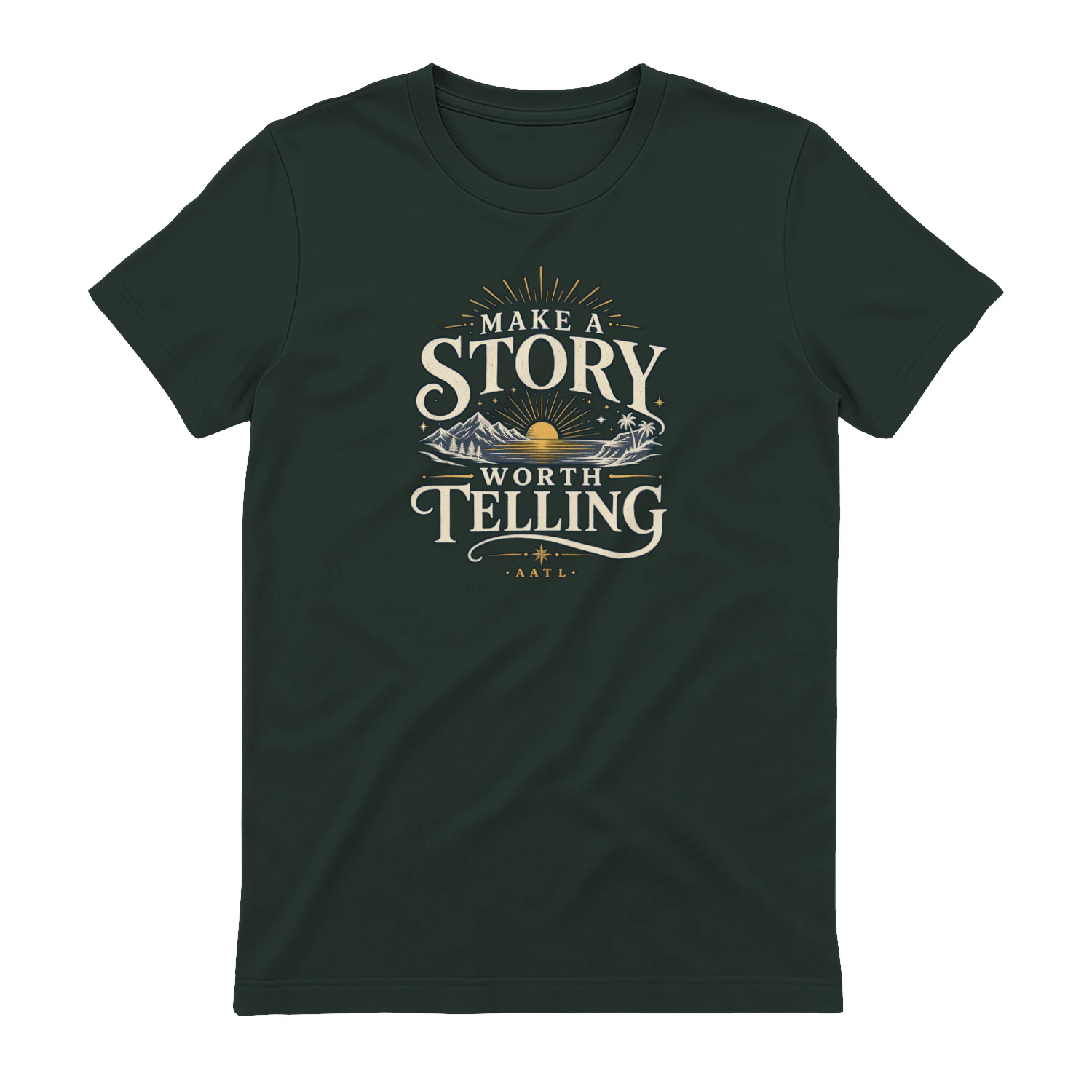
Make A Story Worth Telling
A scenic vintage-inspired design that encourages you to “Make A Story Worth Telling.” Mountains, water, sunset, and tropical details give it an adventurous feel that’s perfect for travelers, explorers, and anyone who wants a life filled with moments worth remembering.