
Video
Why Harry Mack’s Omegle-Era Freestyles Still Hit in Melvin Maya’s Reaction
Melvin Maya’s reaction to Harry Mack’s “The Freestyle Library” is part performance breakdown, part nostalgia for the Omegle bars format that gave each freestyle a different human setting.
Why this Omegle-era freestyle still lands
The direct answer is simple: Melvin Maya is reacting to Harry Mack’s “The Freestyle Library,” but the real subject of the video is the appeal of the Omegle Bars format itself. He likes the spontaneity, the variety of people on the other end, and the way each room gives Harry a different visual world to work with. That’s why the performance feels bigger than a single reaction clip. It becomes a case for a style of freestyle content that is built on surprise.
Melvin opens by situating the clip as an older Harry Mack entry, from the Omegle Bars run, and immediately starts thinking beyond the performance in front of him. He asks what happens now that Omegle is gone: does Harry move to another platform, keep building solo projects, or lean harder into street performances and collaborations? That question gives the video a second layer. It is not only about what Harry does with three random words; it is also about what happens to a format when the platform that hosted it disappears.
Three words, one fast-moving setup
The freestyle begins with a familiar Harry Mack move: he asks the stranger for three random words or topics. The choices are marshmallows, puppies, and books. Melvin notices right away that the trio works well together, not because they are dramatic, but because they give Harry different lanes to move through. One word is playful and edible, one is cute and visual, and one is a little more open-ended and intellectual. That mix gives the verse room to change shape as it goes.
The stranger’s response matters too. She is engaged, complimentary, and clearly interested in what she is hearing. Melvin pays attention to that dynamic, because part of the fun of these Omegle videos is that the freestyle is happening in real time with someone who is also reacting on the spot. It is not a staged performance for a silent crowd. The exchange has a conversational feel, even while Harry is doing something technically difficult.
How the performance builds around marshmallows, puppies, and books
Harry starts with the marshmallow prompt and quickly turns it into food imagery, sweetness, and melting. Melvin reacts to how fast the reference gets absorbed into the verse. Harry does not just name the word and move on; he stretches it into related images and sounds. The marshmallow idea becomes a springboard for s’mores, chocolate, campfire imagery, and cereal references. Melvin clearly enjoys this part because it shows the density of Harry’s writing under pressure.
The puppy section shifts the energy. Harry toys with the contrast between “cute” and “raw,” using the word to pivot into a bigger, more assertive stance. Melvin calls attention to the way Harry can work a word that seems simple on the surface into something that still feels rhythmic and flexible. In this clip, puppies are not just a cute label; they become a way to contrast softness and aggression, which is one of Harry’s recurring strengths as a freestyler.
Books bring the verse into a different register. Harry moves toward reading, knowledge, libraries, and even the idea of titles and spines. Melvin lights up when the wordplay gets more layered, especially when Harry starts talking about a library, bookmarks, and books cracking spines. That section turns the prompt into a mini ecosystem: reading, organization, shelf systems, and the physical shape of a book all become part of the rhyme.
Why the reaction turns into a format conversation
One of the more useful parts of Melvin’s commentary is that he does not stop at “that was good.” He starts comparing this era of Harry Mack videos with later work. He says he likes the older Omegle reactions because the setup gives each interaction a different kind of texture. The stranger’s room, clothes, and background are part of the experience. That matters to him because it gives the freestyle an extra layer of visual variation.
By contrast, he says the street-performance format can become repetitive in certain respects, since the surroundings and the kinds of things Harry notices can start to overlap from one clip to the next. Melvin is careful not to dismiss the street work. He says Harry is immensely talented and makes the most of whatever setting he is in. But he is also honest about what he prefers as a viewer: the randomness of Omegle offers a different kind of freshness.
That preference shapes the whole tone of the reaction. Melvin is not only praising skill; he is identifying what the platform contributed to the experience. In other words, the novelty was not just Harry’s ability. It was the combination of Harry’s ability and a digital setting where every encounter could feel completely different.
What makes the stranger’s reaction part of the payoff
The woman on the other end of the screen is a big part of why the clip works. She compliments the setup, the camera, and the microphone before the freestyle even begins. Later, she responds as if she is genuinely surprised by how quickly Harry can work with the words she gives him. Melvin notices her energy and plays with the flirtation in the exchange without overexplaining it.
That interaction helps clarify why these videos were so watchable. The audience is not only hearing a freestyle; it is watching a stranger process the performance in real time. Her reactions help validate the technical difficulty of what Harry is doing. When she laughs, compliments, and then subscribes, the clip lands as a shared moment rather than a one-sided display.
What Melvin Maya values in this kind of Harry Mack video
Melvin’s larger point is straightforward. He likes Harry’s growth, and he respects the newer directions his career has taken, but he misses this particular kind of randomness. The Omegle bars format gave him a version of Harry Mack that felt immediate, unpredictable, and visually varied. It also gave viewers a cleaner entry point into the performance because the setup was so simple: a stranger, three words, and a freestyle that had to organize itself on the fly.
That is why this reaction works as more than a fandom check-in. It becomes a small argument about format, context, and what makes a freestyle memorable. Harry’s technical work is the obvious attraction, but Melvin keeps returning to the environment around it: the room, the stranger, the quick setup, and the sense that anything could happen next.
For viewers who remember the Omegle Bars run, that feeling may be the real hook. The freestyle itself is strong, but the setting gives it a one-of-a-kind shape. Melvin’s reaction captures that very clearly, while also making room for the simple pleasure of watching Harry turn marshmallows, puppies, and books into something fast, witty, and tightly built.
Watch the original video on YouTube ↗
All About The Life
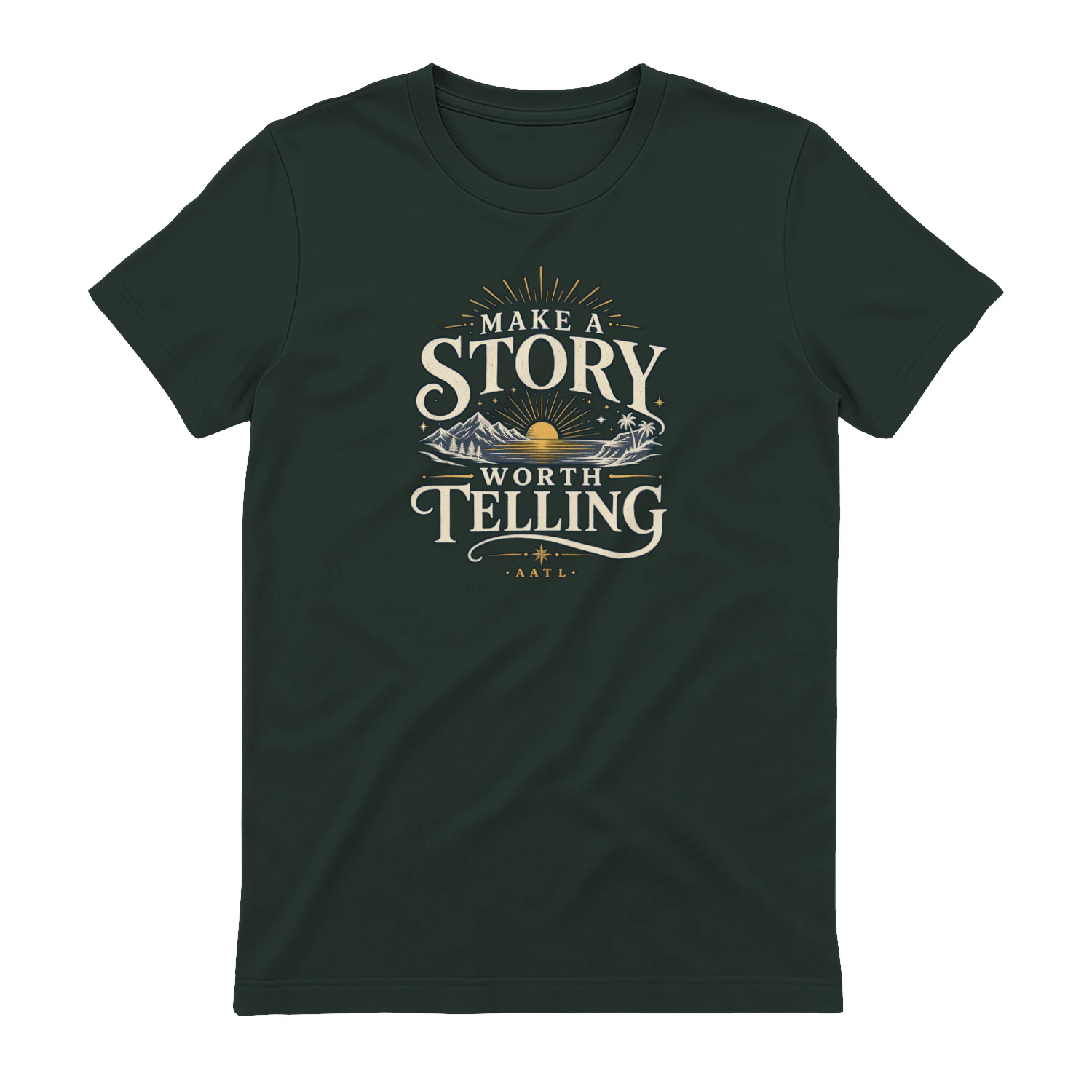
Make A Story Worth Telling
A scenic vintage-inspired design that encourages you to “Make A Story Worth Telling.” Mountains, water, sunset, and tropical details give it an adventurous feel that’s perfect for travelers, explorers, and anyone who wants a life filled with moments worth remembering.