
Video
Why Harry Mack’s Rhyme Card Challenge Feels Harder Than a Standard Freestyle
Melvin Maya reacts to a Harry Mack set built around cards instead of simple word prompts, and the result is a clearer look at just how much timing and processing matter in live freestyle.
A freestyle setup that changes the rules
Melvin Maya opens this reaction with a simple bit of context: he is back with another Harry Mack video, and this one comes from an older Happy Hour with Harry Mack session. That matters because the format is already different before the first rhyme lands. Instead of the usual loose prompt exchange, the video is built around a card-based challenge, and Melvin immediately understands that the setup will ask Harry Mack to do more than simply improvise on command.
The direct answer to why this video stands out is straightforward: the challenge itself becomes the point. Melvin is not only reacting to the freestyle, but to the structure surrounding it. He sees the cards as a way of adding pressure, timing, and visual processing to the performance, which gives the whole clip a different kind of tension than a typical prompt-based rap session.
Why the cards make this harder than three random words
Melvin quickly picks up on what makes the challenge unusual. The cards are not just random objects or isolated words. They appear to introduce a second layer of difficulty because Harry Mack has to read, interpret, and keep moving while the prompts keep changing. Melvin describes the concept as something he has not seen before, and that freshness is part of what holds his attention.
He also notices that the cards are not presented in the most leisurely way. The pacing feels fast enough that the rapper has to stay alert, and that speed becomes a talking point in the reaction. Melvin treats that as a real obstacle, not a minor production quirk. In his view, the format is demanding because it asks Harry Mack to freestyle while also juggling another task in real time.
That is where the reaction becomes more than praise. Melvin is not just impressed that Harry Mack can rap. He is impressed that Harry Mack can keep thinking while being challenged from multiple directions at once. The cards turn the freestyle into something closer to a live test of mental agility.
What Melvin notices about pacing, lag, and reading the prompts
One of the clearest threads in the video is Melvin’s attention to the pacing on screen. He points out that the guest holding the cards seems to have a bit of lag, and that delay affects how smoothly the challenge works. The audio and the mouth movement do not line up perfectly, and Melvin calls attention to that because it changes the rhythm of the exchange.
He does not frame that as a failure of the idea. In fact, he seems to like the concept enough that he keeps returning to how it could work even better with cleaner timing. That response is useful because it shows he is watching the mechanics of the performance, not just the punchlines. He can tell when the challenge is strong in theory but slightly messy in execution.
Melvin also spends time explaining why the card setup is more demanding than it may look. At one point he reflects on the difficulty of reading colors versus reading words, and he uses that to make the challenge feel concrete. He recognizes that the format is asking Harry Mack to stay mentally flexible, and he relates that pressure back to the viewer experience. The audience, in other words, can enjoy the freestyle because the format itself is tense.
A reaction built on challenge, not just admiration
What makes Melvin Maya’s reaction work is that he does not treat the video like a highlight reel. He responds to the strain inside the performance. The cards, the timing, the shifting prompts, and the need to keep the rhyme scheme alive all become part of the story. That gives the feature of his reaction a clearer shape than a simple “this was good” response.
He also seems genuinely interested in whether Harry Mack has done similar challenges again. That question is telling. Melvin is not only watching for entertainment; he is watching for format. He wants to know whether this kind of challenge appears elsewhere in Harry Mack’s work and whether it could be repeated in a way that gives the rapper more room to process each prompt. That curiosity gives the reaction a practical edge.
There is also a sense that Melvin appreciates the uniqueness of the setup because it pushes the freestyle into unfamiliar territory. He says the idea feels very different from what he has seen before. That difference is important. In a reaction space where viewers can easily default to generic praise, Melvin stays close to the actual mechanics of the clip: how quickly the cards move, how the guest handles them, and how hard it must be to keep the bars clean under pressure.
Why this clip lands as a test of improvisation
If you strip the video down to its core, it is about improvisation under friction. Harry Mack is doing what he always does, but the format adds friction in the form of card prompts and timing problems. Melvin recognizes that immediately. He keeps circling back to the idea that this is one of the more challenging setups he has seen, and that is why the reaction never drifts far from the structure of the performance itself.
That focus makes the video useful for viewers who care about freestyle rap as a craft. The entertainment is not just in hearing a rhyme land. It is in seeing how a rapper manages shifting input without losing the thread. Melvin’s reaction makes that easier to notice because he keeps pointing toward the parts of the clip where processing and performance overlap.
For viewers asking what stands out here, the answer is not a single line or a single punchline. It is the format. The rhyme card challenge turns a freestyle into a moving target, and Melvin Maya reads it that way from the start.
Watch the original video on YouTube ↗
All About The Life
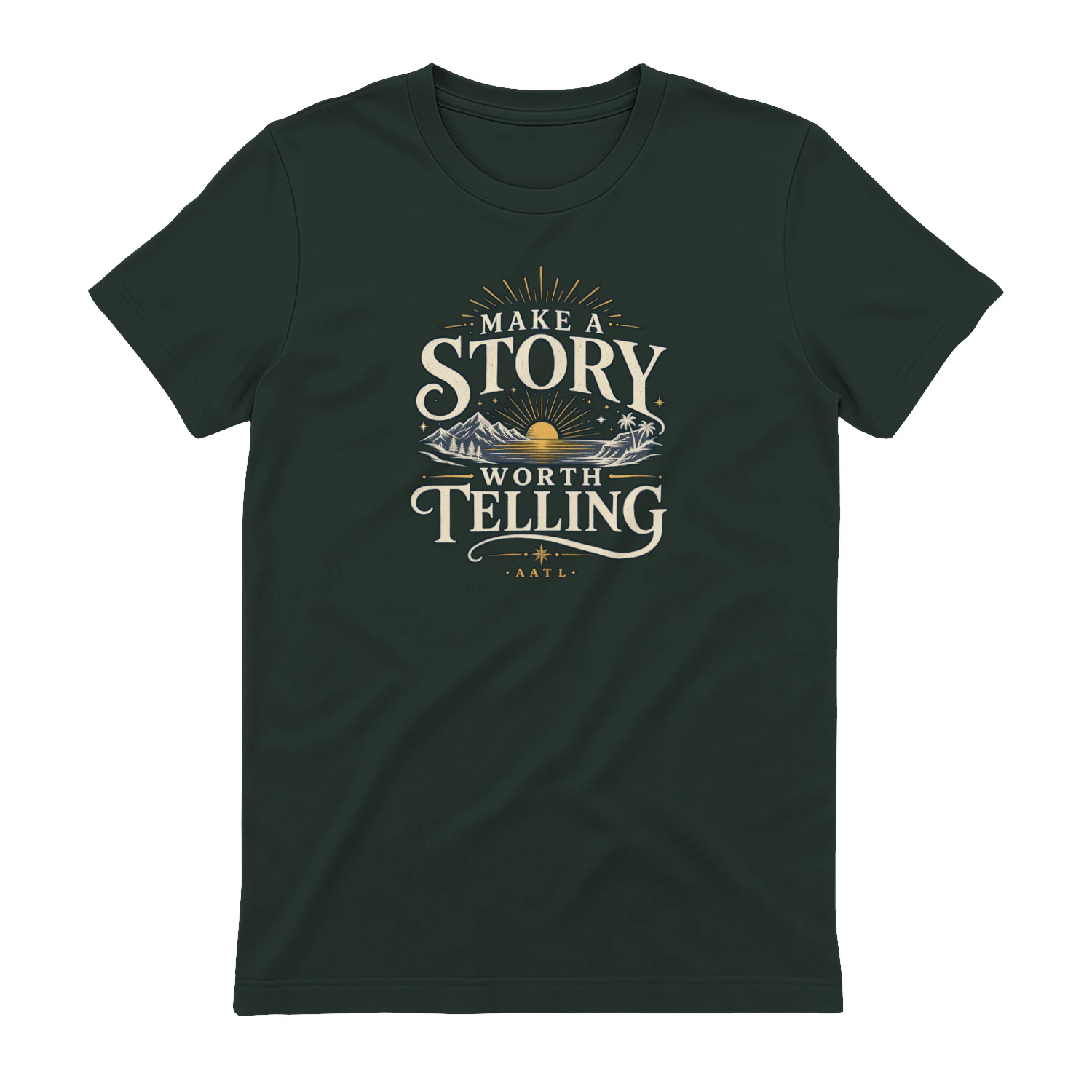
Make A Story Worth Telling
A scenic vintage-inspired design that encourages you to “Make A Story Worth Telling.” Mountains, water, sunset, and tropical details give it an adventurous feel that’s perfect for travelers, explorers, and anyone who wants a life filled with moments worth remembering.