
Video
Why Panda Express Hits Different When British Creators Try It for the First Time
Melvin Maya’s reaction video turns a simple Panda Express outing into a useful comparison of American fast food Chinese, British Chinese food, and the chemistry that keeps food content watchable.
Load the YouTube player to watch here. YouTube receives technical information when its player loads. This does not enable this site's analytics or marketing tracking.
Watch on YouTube ↗A first look at Panda Express through British eyes
The clearest answer to what this video is doing is simple: it follows Andy and Michelle as they try Panda Express for the first time, and it uses that tasting as a way to compare American fast food Chinese with the food expectations they bring from the UK. Melvin Maya’s reaction is not built around surprise for its own sake. It works because the clip keeps moving between food, memory, and cultural shorthand, letting the guests explain what feels familiar and what feels different.
That gives the video a practical shape. It is about more than one restaurant visit. It is about how a chain like Panda Express gets interpreted when the people eating it have a different baseline for what Chinese food usually looks and tastes like. The result is a reaction that is part tasting, part cultural comparison, and part hangout.
The menu becomes the real conversation
A lot of the video’s momentum comes from the order itself. Andy and Michelle move through a spread that includes orange chicken, honey walnut shrimp, black pepper Angus steak, beef and broccoli, lo mein, string bean chicken, kung pao chicken, spring rolls, egg rolls, and fortune cookies. That list matters because the episode never treats the food as background. The menu is the conversation.
Melvin’s commentary helps frame the experience without overpowering it. He notes how quickly the food comes out, points out the Americanized feel of the setup, and keeps returning to his own reactions to Panda Express as a place he knows well enough to compare with other chains. He does not present it as high-end dining. Instead, the video leans into the reality of fast food comfort: easy to order, easy to recognize, and easy to argue about.
The guests’ reactions also give the clip its shape. Their food talk is not abstract. They notice color, texture, sauce, and the way one bite leads into the next. That makes the segment work as a real first-impression video rather than a simple ranking exercise.
Orange chicken, honey walnut shrimp, and the idea of familiar-but-different
Orange chicken is the food that keeps pulling the video back to center. Melvin calls it one of his own go-to items when he eats at Panda Express, and the guests quickly start unpacking what the name actually means. One of the more interesting parts of the exchange is the realization that the dish is not orange in appearance so much as orange in flavor direction. That misunderstanding turns into one of the video’s best bits because it shows how food names can shape expectation before anyone even tastes the dish.
Honey walnut shrimp gets a similarly warm response. The sweetness stands out, and the reaction lands on a simple idea: it is easy to keep eating it. That matters because the video does not need exaggerated praise to make the point. The guests’ own comments about how quickly the food disappears say enough.
There is also a useful comparison running underneath all of this. Andy and Michelle talk about British Chinese food, including the buffet-style version they know, and Melvin responds with his own references to other American chains. The video becomes a small map of regional habits: what is normal in one place feels a little unexpected in another. That is the core of the episode’s appeal.
What the video says about content couples and food reactions
One of the more interesting threads in the video is not about Panda Express at all. It is about how Andy and Michelle work together on camera. Melvin brings up the idea of them as a content couple, and the discussion opens into how they started creating together, how comedy and culture helped shape their early videos, and how one person’s experiment can become a shared format.
That conversation gives the piece more depth than a standard restaurant reaction. The guests are not just trying food. They are also talking about the mechanics of making content together: when an idea starts, how a skit becomes a running style, and how real arguments or honest questions can sometimes turn into the best material. It is a small reminder that food videos often work because the people eating are doing two things at once — reacting to the meal and reacting to each other.
Melvin keeps the tone loose and conversational, which helps. He is comfortable making side comments, comparing the food to other places he knows, and letting the guests carry the specifics of their own experience. The video benefits from that balance. It feels like a genuine watch-along rather than a host controlling every beat.
Fortune cookies, running jokes, and the easy chemistry that keeps the clip moving
The final stretch of the video is less about the food itself and more about the group’s rhythm. Fortune cookies give the episode a light ending, but even there the clip finds a way to stay character-driven. The fortunes are read aloud, joked about, and compared to old stacks of saved messages. It is a small detail, but it works because the video understands that a meal only needs a few memorable beats to feel complete.
That same instinct shows up in the jokes scattered throughout the reaction. The panda references, the playful confusion over what counts as “luxury,” and the back-and-forth over whether certain dishes taste more familiar or more Americanized all keep the tone moving. Nothing feels forced. The humor comes from the people in the room noticing the same things at the same time.
That may be the real strength of the video. Panda Express is the surface topic, but the watchable part is the social texture around it. Andy and Michelle bring a first-time perspective, Melvin brings familiarity and comparison, and the whole clip stays grounded in conversation instead of hype. If you want a straightforward answer to what the video offers, it is this: a first Panda Express visit that turns into an easy, readable comparison of food cultures, menu favorites, and creator chemistry.
Watch the original video on YouTube ↗
All About The Life
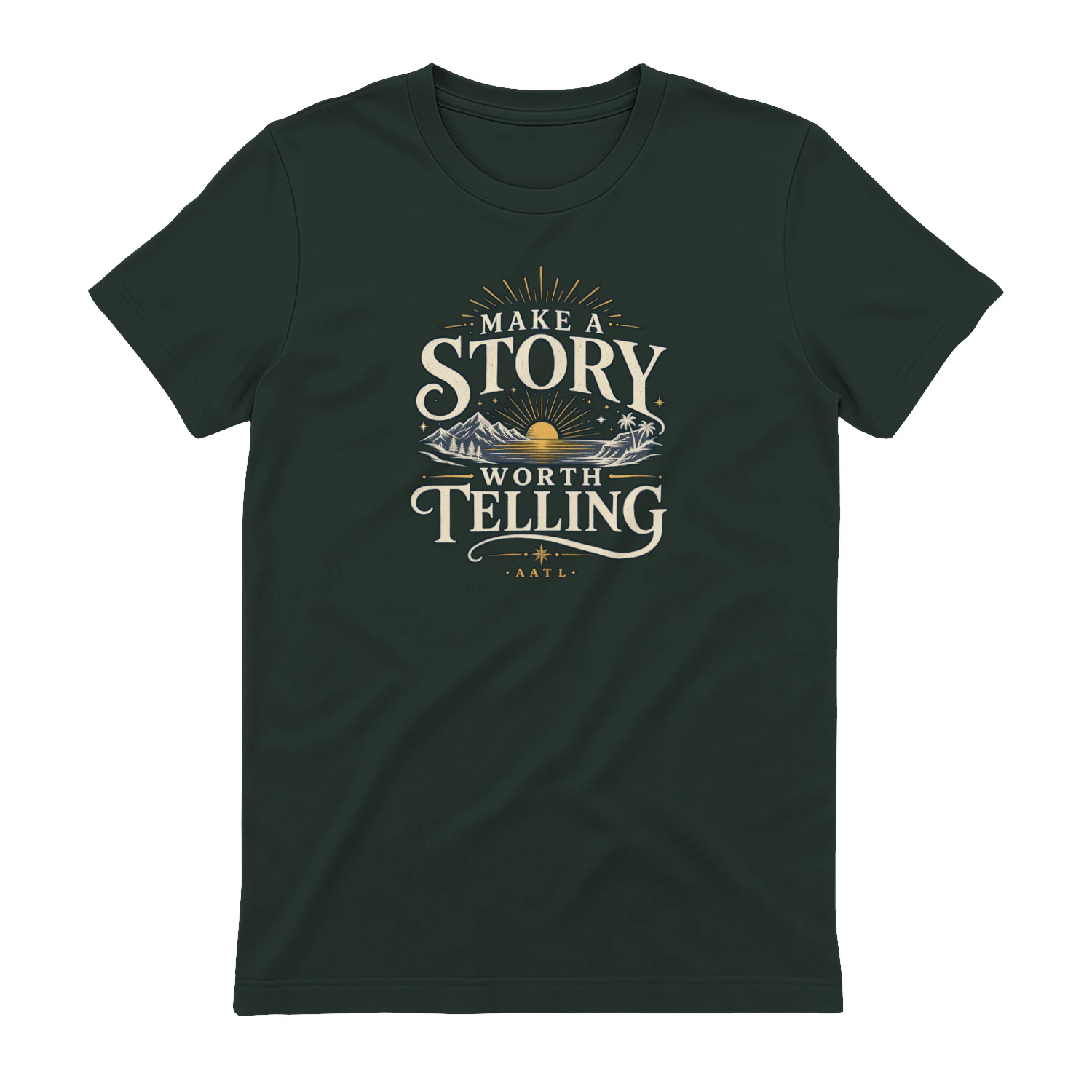
Make A Story Worth Telling
A scenic vintage-inspired design that encourages you to “Make A Story Worth Telling.” Mountains, water, sunset, and tropical details give it an adventurous feel that’s perfect for travelers, explorers, and anyone who wants a life filled with moments worth remembering.