
Video
Why Ren’s “Heretic” Pulls the Reactors In Before They Can Keep Talking
Melvin Maya and Morgan Brannon spend this reaction wrestling with a familiar problem: some performances are easier to feel than to pause. Ren’s “Heretic” visualizer gives the track a story-like frame, and the conversation keeps coming back to how that changes
Load the YouTube player to watch here. YouTube receives technical information when its player loads. This does not enable this site's analytics or marketing tracking.
Watch on YouTube ↗Why this reaction holds attention
The simple answer is that Ren’s “Heretic” does not leave much room for casual watching. In Melvin Maya’s reaction with Morgan Brannon, the track pulls them in quickly, and the commentary keeps circling back to the same problem: when a performance is this absorbing, stopping it can feel like interrupting the song rather than talking about it.
That tension gives the video its shape. The reaction is not built around big surprise turns or reaction-chasing theatrics. Instead, it rests on a more familiar but useful truth about music videos and visualizers: sometimes the best thing a viewer can say is that the piece makes them want to keep listening.
Why the visualizer changes the feel
Melvin and Morgan both point out that this is an official visualizer, and that matters here. They describe it as an animated presentation rather than a static image or a simple performance clip, and that choice gives the song a different atmosphere. The visual layer is not treated as decoration. It becomes part of the experience.
The conversation suggests that the animation helps the track feel more like a story. Instead of just watching a singer in place, the viewer gets a moving sequence that matches the song’s tension. Melvin says the style gives the piece a different flavor, and Morgan agrees that the animated approach changes the emotional temperature of the video. The result is not just “music with visuals,” but a presentation that helps the track land in a more cinematic way.
That is one reason the reaction is worth watching even if someone already knows the song. The reactors are not simply praising the visuals for looking nice. They are noticing how the format changes what the music feels like.
The pull of the performance
What keeps coming through in the reaction is how strongly the song draws the hosts in. Melvin says the music “pulls you in,” and that idea becomes the thread tying the whole discussion together. The track is treated as something immersive, something that makes it hard to step out of the moment long enough to pause and analyze.
That makes the video feel honest in a way reaction content does not always manage. Melvin admits that he knows he should stop the video more often to talk through specific moments, but he also says he cannot always do it because the performance keeps holding his attention. Morgan understands that instinct. Their exchange becomes a small debate about how reaction videos should work: some viewers want commentary throughout, while others prefer the track to play first and the discussion to come later.
That is a practical question, but it also says something about the song. If a reaction host keeps getting swept up in the performance, the material is doing its job.
Pausing, notes, and the problem of timing
One of the more useful parts of the video is not a dramatic opinion at all. It is Melvin thinking out loud about how he reacts. He wonders whether he should start writing notes and time stamps so he can remember specific moments more clearly when the track is over. That small reflection gives the video a grounded, behind-the-scenes quality.
It also makes the reaction easier to trust. Rather than pretending he has a perfect system, Melvin openly describes the tradeoff: if he pauses too much, he risks breaking the momentum; if he waits too long, he may lose the exact thought he wanted to share. Morgan adds that different viewers like different approaches, which keeps the exchange practical instead of performative.
This is where the video becomes more than a simple listen-along. It turns into a conversation about how to pay attention to music that is doing a lot at once. The hosts are not trying to solve that problem definitively. They are just naming it in real time.
A song that feels bigger with the right frame
The discussion also shows how much the presentation can shape the response to a song. Melvin suggests that if the clip had been only a straightforward performance video, it might not have carried the same impact. That is a careful observation, and it is one of the best things in the reaction.
The animated format gives the song room to feel larger than a basic visual setup would allow. The mountain-top imagery Melvin refers to near the end helps the emotional tone settle in place. It gives the track a shape that supports the music rather than competing with it. Even without extra visual clutter, the animation keeps the sense of motion alive.
Morgan’s response supports that reading. He agrees that the style helps the moment land differently, and that the visualizer contributes to the experience instead of simply sitting beside it.
What stands out most in the conversation
The most useful thing about this reaction is that it captures how people talk when they genuinely do not want to break the spell of a performance. There is no forced overexplaining here. The hosts keep returning to a few plain ideas: the song pulls them in, the animated visualizer adds a story-like feel, and the track makes it hard to stop and comment without losing something.
That gives the video a clear identity. It is not just a reaction to a Ren release. It is a reaction about attention itself — about what happens when music asks for your full focus and the visuals help it ask more effectively.
Why viewers who like reaction videos may respond to this one
If you watch reaction content for quick jokes or exaggerated shock, this may feel quieter than that. But if you like videos where the hosts think through why something is working, this one has a lot to offer. Melvin and Morgan are less interested in putting on a show than in naming what the song and visualizer are doing to them as viewers.
That makes the exchange feel useful. It gives listeners a simple but real answer to the question of why Ren’s “Heretic” visualizer reaction sticks: the song is absorbing, the animation changes the mood, and the hosts are honest about how hard it is to step out of the moment long enough to talk.
Watch the original video on YouTube ↗
All About The Life
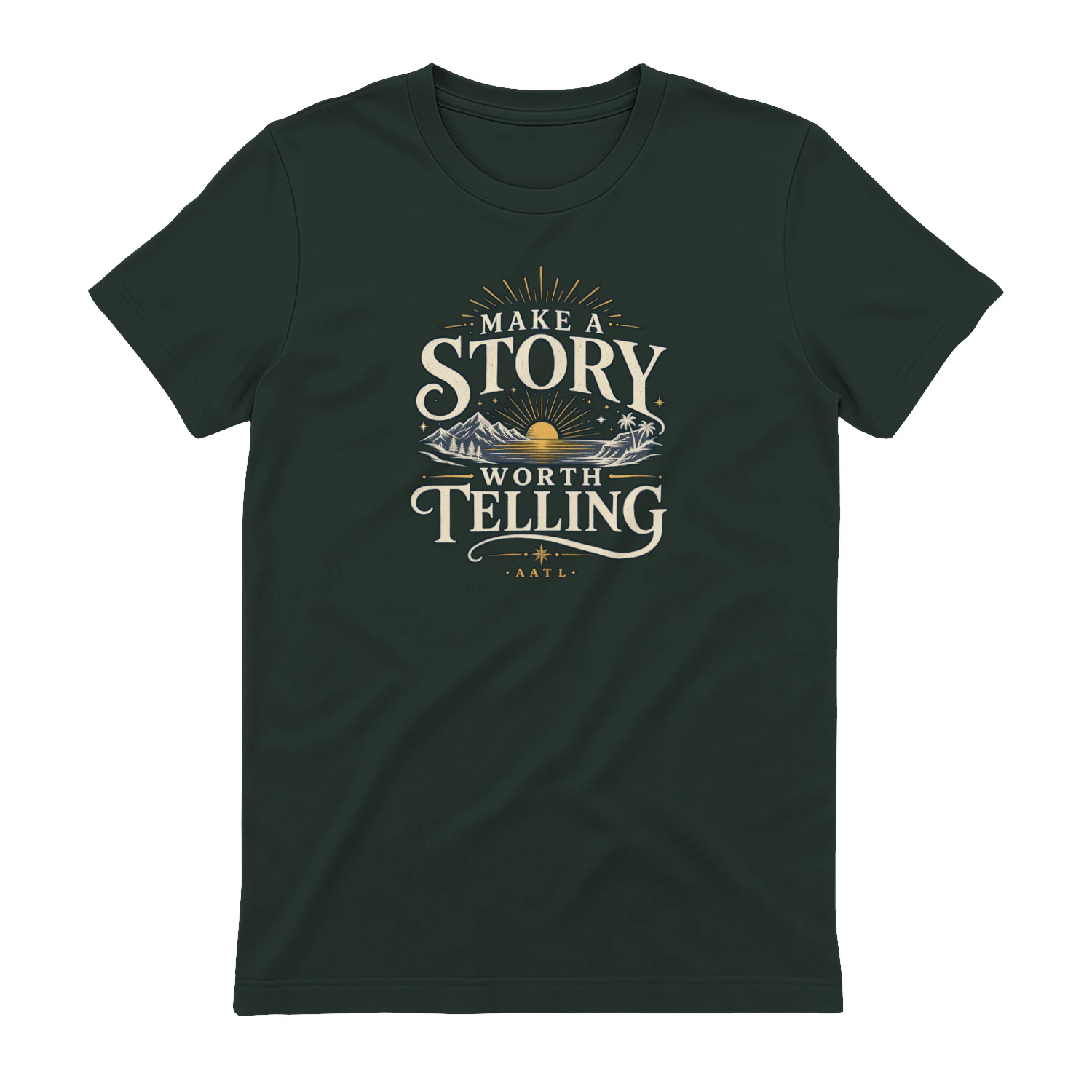
Make A Story Worth Telling
A scenic vintage-inspired design that encourages you to “Make A Story Worth Telling.” Mountains, water, sunset, and tropical details give it an adventurous feel that’s perfect for travelers, explorers, and anyone who wants a life filled with moments worth remembering.