
Video
Why This The Big Push Reaction Lands as Both a Music Review and a Street-Performance Wish
Melvin Maya and Adolfo react to The Big Push’s mashup performance, but the conversation keeps circling back to the same larger idea: why can’t more live music feel this open and immediate?
The direct answer: this reaction is really about range
This The Big Push reaction is less about a single song than about how a band can fold different songs and styles into one live performance without losing momentum. Melvin Maya and Adolfo are responding to a mashup that blends multiple familiar pieces, and the reaction keeps landing on the same point: the performance feels big because it keeps shifting while still sounding unified.
That matters because the video is not just a listen-and-move-on reaction. It becomes a running conversation about what makes live music feel alive. The mashup format gives them enough movement to stay engaged, but the setting also pushes the discussion toward something bigger than the audio itself. Melvin keeps returning to the idea that a scene like this would be worth having in Houston.
A mashup that keeps the attention moving
Melvin introduces the performance as one of The Big Push’s mashups and names the pieces he can identify: “I Shot the Sheriff,” “Road to Zion,” and “Hip Hop,” along with other material that he says he cannot fully recall by title. Even without every song title pinned down, the point comes through clearly. This is a performance built from variety.
That variety is part of why the reaction works. The music is not sitting in one lane for long. Instead, it shifts between different textures and moods, giving Melvin and Adolfo room to respond to changes as they happen. The performance has enough going on that the conversation never has to force interest. The music itself keeps offering something new.
Melvin also explains who the players are in The Big Push: Ren, another guitarist who sometimes plays bass, a drummer, and the other band members he names on screen. He is careful to underline the lineup because the band’s flexibility matters to how the performance feels. The setup is not presented as a rigid studio product. It is a live ensemble with people moving between roles as needed, which fits the loose, collaborative feel of the mashup.
Why the street setting keeps coming up
The most consistent thread in Melvin’s commentary has less to do with the song choices and more to do with where this kind of performance happens. Watching the band play, he says he wishes Houston had something similar: an outdoor music culture where people could run into live performances without the entire experience needing a formal stage, permits, and a big production footprint.
That reaction gives the feature its real shape. He is not simply saying the performance sounds good. He is reacting to the social feeling of it. The street performance suggests a kind of access that many larger cities do not always make easy. Melvin imagines a version of Houston where live music can appear in public spaces in a way that still feels organized and safe, but not overly sealed off.
He does not frame that as a complaint about Houston’s music scene. In fact, he points out that the city already has plenty of venues, from smaller rooms to arena-scale spaces. His point is narrower and more interesting: there is room for another kind of musical presence, one that feels casual, local, and visible on the street.
Adolfo’s reaction gives the video its second layer
Because Adolfo is watching with him, the exchange is not just Melvin talking around the performance. It becomes a shared reaction. Adolfo asks practical questions about where to find the music afterward, and Melvin starts pointing him toward the wider world around The Big Push and the connected artists he has been exploring.
That matters because it shows the reaction is not only about first impressions. It is also about discovery. Adolfo is the stand-in for a viewer who wants to know where to go next after the video ends. Melvin responds by treating this as part of a larger listening path, mentioning other related names and projects he has already been working through.
The conversation never turns into a deep biography of the band, and it does not need to. What it shows instead is the way a strong live performance can send a listener looking for more. The reaction becomes a gateway not because the hosts announce it that way, but because they sound genuinely willing to keep listening.
What the performance suggests without over-explaining it
One reason this reaction is easy to follow is that Melvin does not overcomplicate his response. He listens, reacts to the shifts, and then talks about what the performance makes him want to see in a city like his own. That restraint works. It leaves room for the viewer to notice the same things: the multi-song structure, the band’s ease in performance, and the sense that public music can feel both communal and spontaneous.
There is also a subtle lesson in how Melvin handles the lineup discussion. He is precise about the musicians he can name and careful not to pretend certainty where he does not have it. That keeps the feature grounded in what the video actually provides. The important thing is not having every label perfect. The important thing is recognizing that the performance depends on a group of players who can shift roles and support each other in real time.
Why this kind of reaction is worth watching
If you came to the video for a simple reaction, you do get that. But you also get a useful piece of commentary about why live, public music still matters. Melvin’s response is strongest when he connects the performance to a larger picture: a city street that could hold music, a crowd that could stumble into it, and a band that can carry multiple songs inside one set without flattening them.
That combination makes the video feel more substantial than a quick thumbs-up. It is a reaction to a song mashup, yes, but it is also a reaction to the possibility of music being visible in everyday space. Melvin hears the arrangement, watches the performance energy, and keeps coming back to the same idea: more of this would be worth having.
Watch the original video on YouTube ↗
All About The Life
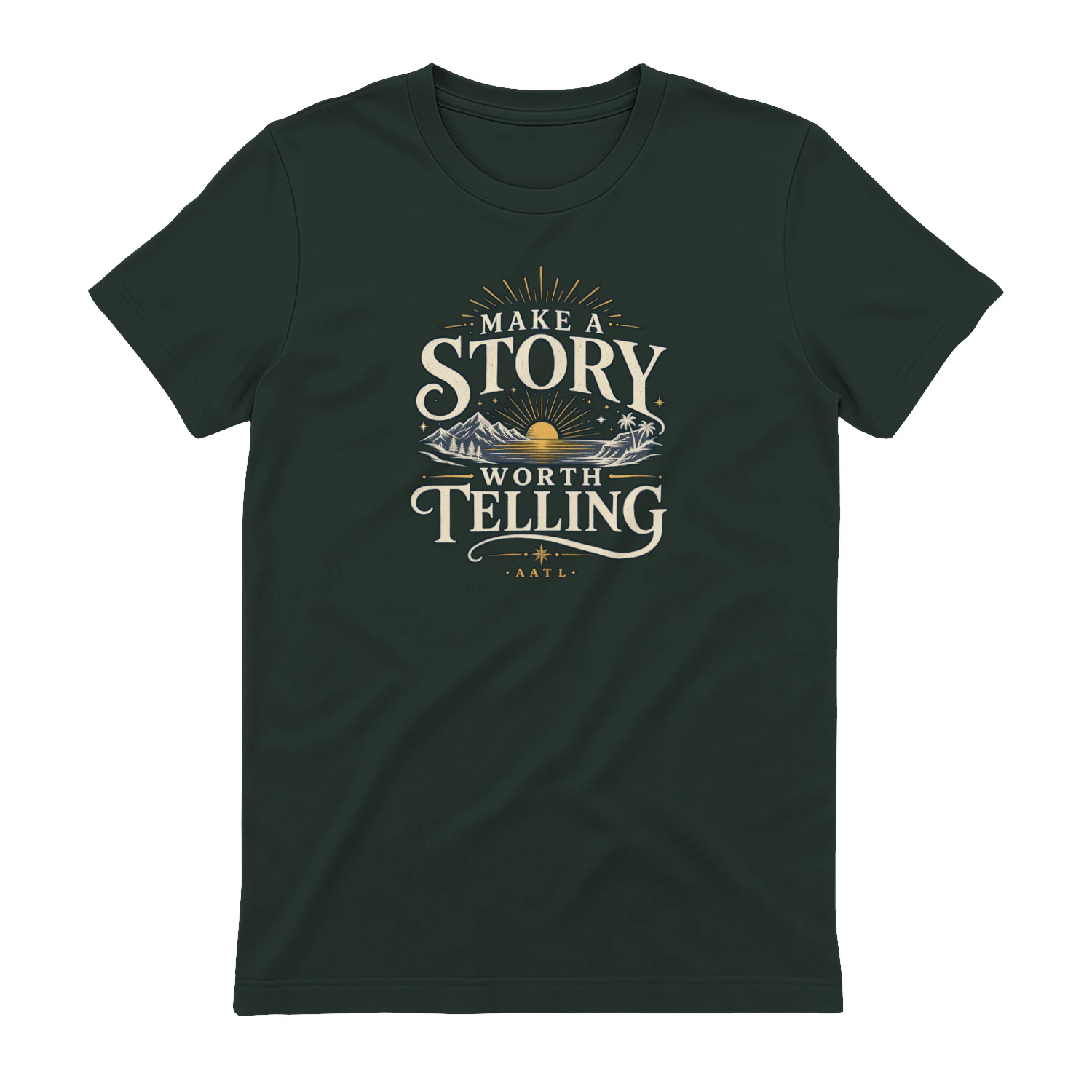
Make A Story Worth Telling
A scenic vintage-inspired design that encourages you to “Make A Story Worth Telling.” Mountains, water, sunset, and tropical details give it an adventurous feel that’s perfect for travelers, explorers, and anyone who wants a life filled with moments worth remembering.