
story
I Somehow Ended Up Building an Entire Network of Websites. Here’s Why.
What started as a handful of interests and old projects has turned into a growing network of focused media brands. The reason is simpler than it probably looks from the outside.
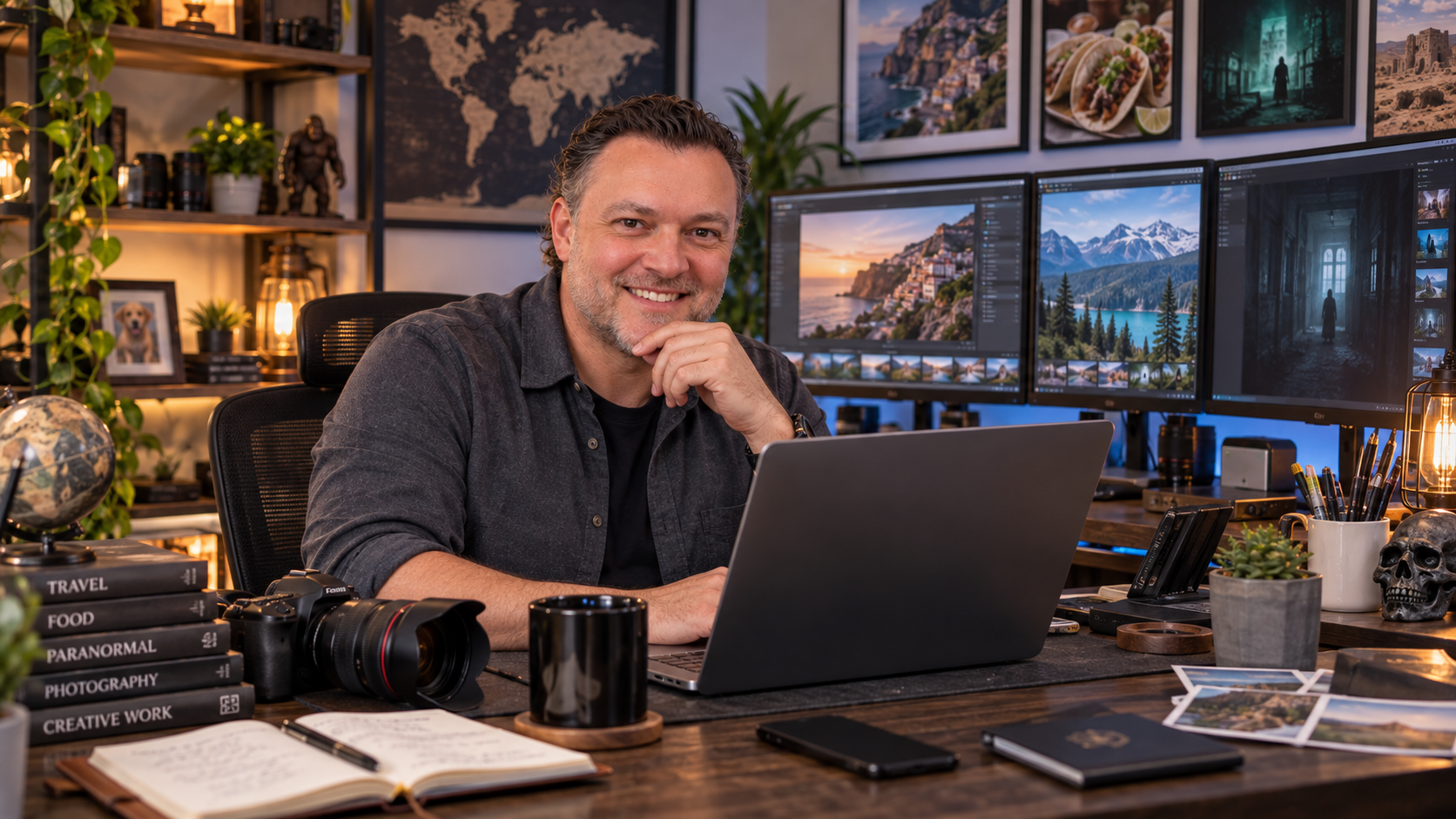
For a long time, I had a lot of interests living under the same roof. Food. Travel. Photography. Video. Paranormal investigations. Marketing. Technology. Music. The list has only gotten longer as I have gotten older, which is probably the opposite of how hobbies are supposed to work.
The problem was never that I did not have enough things to create. The problem was figuring out where all of those things belonged.
A personal website can hold almost anything, and MelvinMaya.com will always be the place where the different parts of my work come together. But there is a point where putting everything in one place starts making the experience worse. Someone looking for Houston restaurant recommendations probably is not arriving because they also want to read about paranormal investigations. A person researching a trip is in a very different mindset from someone looking for marketing or AI ideas.
That is a big part of why I somehow ended up building a network of niche media brands.
Different interests deserve different homes
The idea is not to build a bunch of websites simply so I can say I own a bunch of websites. I have been building websites for more than 15 years. The novelty of launching another domain disappeared a long time ago.
What is interesting to me now is creating a destination that actually fits the subject.
Houston Food Fanatics can be unapologetically about food in Houston. Paranormal Unknown can lean all the way into unexplained stories, investigations and the creators who cover them. Travel with Melvin can make sense for somebody planning a trip or simply looking for the next place worth seeing. Brew Sip Repeat can have its own personality around coffee and the culture surrounding it. Beets n Bangers can look and feel like a music project instead of a random music page bolted onto a personal site.
Those differences matter. A focused brand gives me room to make choices around the audience, the presentation and the kind of content that belongs there without asking every other interest to compromise.
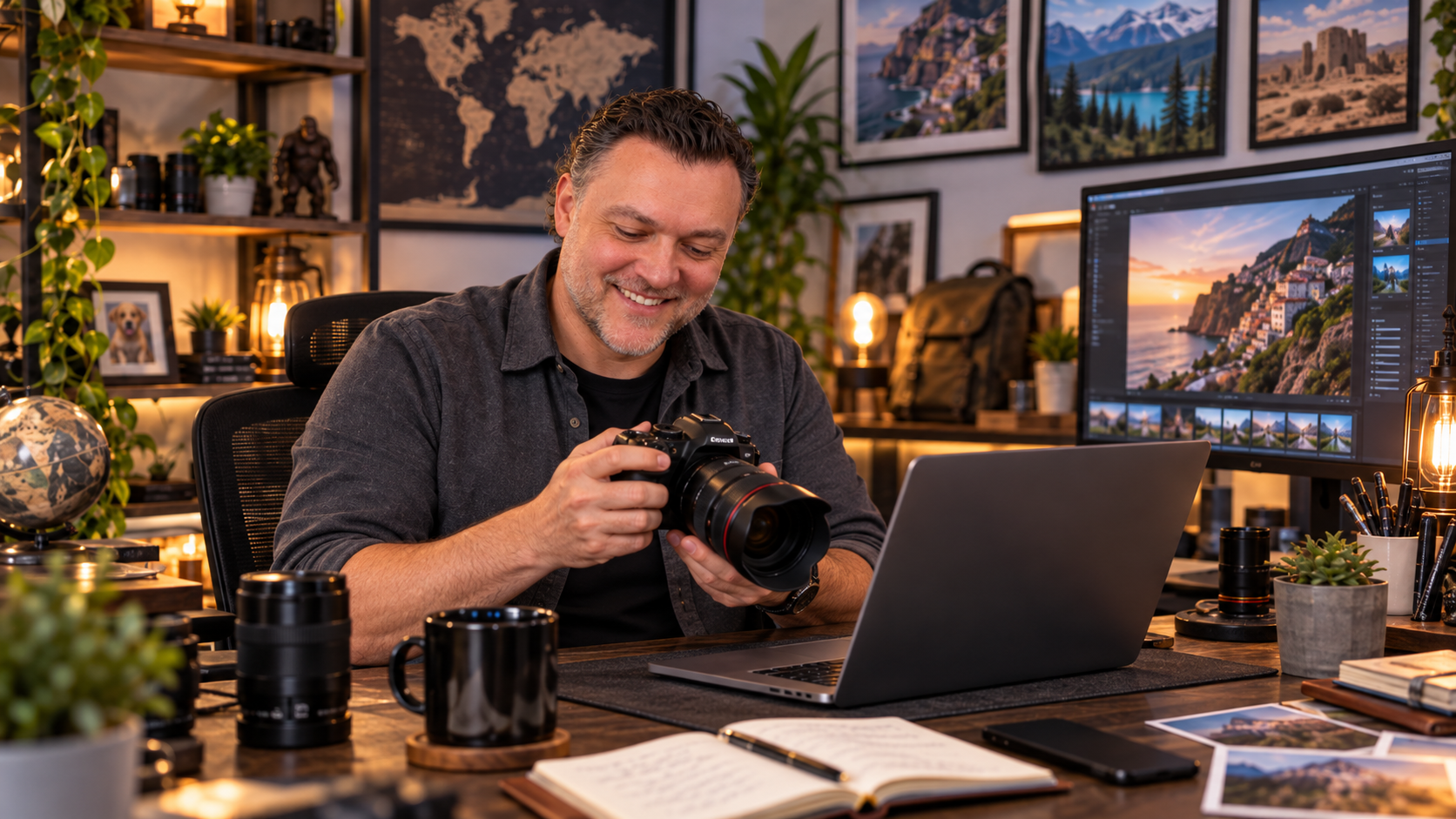
A lot of this started with content I had already created
Another reason this direction made sense is that I was not starting from zero.
I have spent years taking photos, shooting video, visiting places, trying restaurants, traveling, investigating locations and documenting whatever happened to interest me at the time. Some of that work lived on YouTube. Some of it lived on social media. Some of it sat inside older websites. Some of it was effectively buried by time even though the underlying content was still useful.
A focused site gives that work another life.
Instead of a video being something that appeared in a feed once and then slowly disappeared, it can become part of a larger collection around a subject. A restaurant visit can sit beside other Houston food content. A paranormal investigation can connect to other stories about the location, the creator or the broader topic. A travel video can become useful to someone researching the destination years after I originally posted it.
That is much more interesting to me than treating every piece of content as disposable.
AI changed what is practical, not what is worth building
There is an obvious reason this is happening now instead of five or ten years ago: the amount of work I can realistically take on has changed.
AI has made research, organization, development and repetitive production work dramatically faster. It has also made it possible for me to work much more directly with modern application development than I could before. I wrote more about that in what I have learned using AI to build websites and marketing systems.
But I do not think the interesting takeaway is, “AI lets you push a button and make websites.” That is not how any of these projects have worked.
The hard part is still deciding what a property should be, what belongs there, what the visitor actually needs, what is worth preserving and what should be left out. AI can accelerate a process. It cannot make a weak idea useful simply by producing it faster.
If anything, having the ability to build more has made judgment more important. There are always more ideas than there is time, even when the tools get faster.
Each brand needs its own reason to exist
I also do not want these properties to feel like copies of one another with a different logo at the top.
A food site should make you hungry and make it easy to keep exploring food. A paranormal site should make you curious. A travel site should make you want to go somewhere. A music project should feel like music. That sounds obvious, but it is surprisingly easy to lose when you are working across multiple projects at once.
That is one reason I have been spending so much time on the individual design language, content organization and personality of each property. The goal is not uniformity. The goal is for each one to feel intentional.
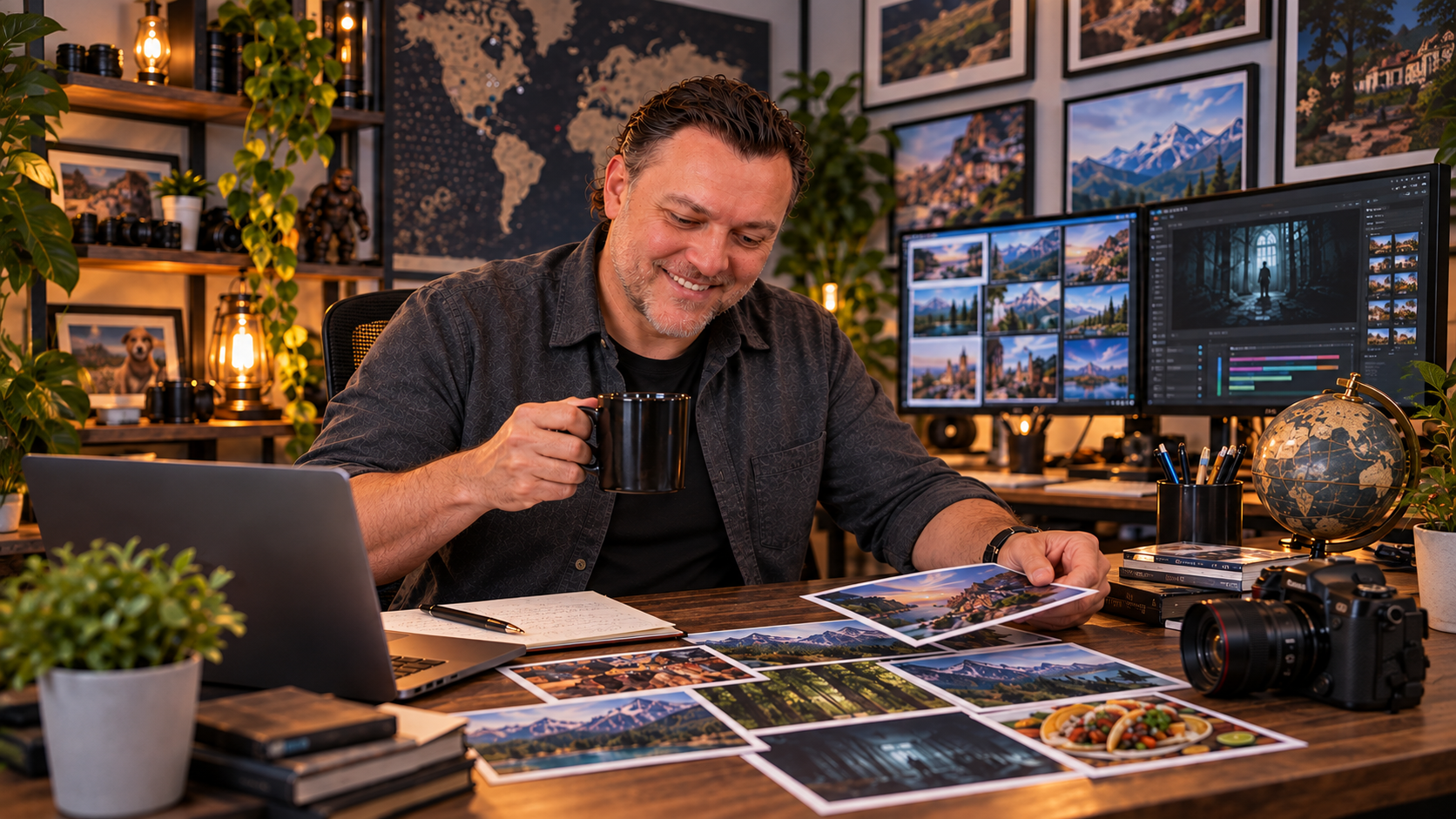
I am building assets I can keep improving
There is also something satisfying about creating things that do not disappear when the algorithm decides everybody should be looking at something else tomorrow.
Social platforms are important. YouTube is important. Search is changing quickly. None of that makes an owned destination less valuable to me. It makes having a place where the work can be organized, updated and connected even more important.
That does not mean I am abandoning my marketing career to disappear into a room and build websites all day. My work as a marketing director and the projects I own feed different parts of the same skill set. I wrote more about that in why I am creating things I own while continuing my marketing career.
What has changed is that I am finally treating many of these interests as things worth building around instead of as disconnected side projects.
I did not sit down one morning and decide I needed an “empire of niche media brands.” That description would make the whole thing sound much more calculated than it was.
I kept seeing subjects I cared about, years of content that deserved a better home, and ideas that became realistic to build with the tools available now. One project became another. Then another.
At some point I looked up and realized I was no longer building a website.
I was building a network.
All About The Life
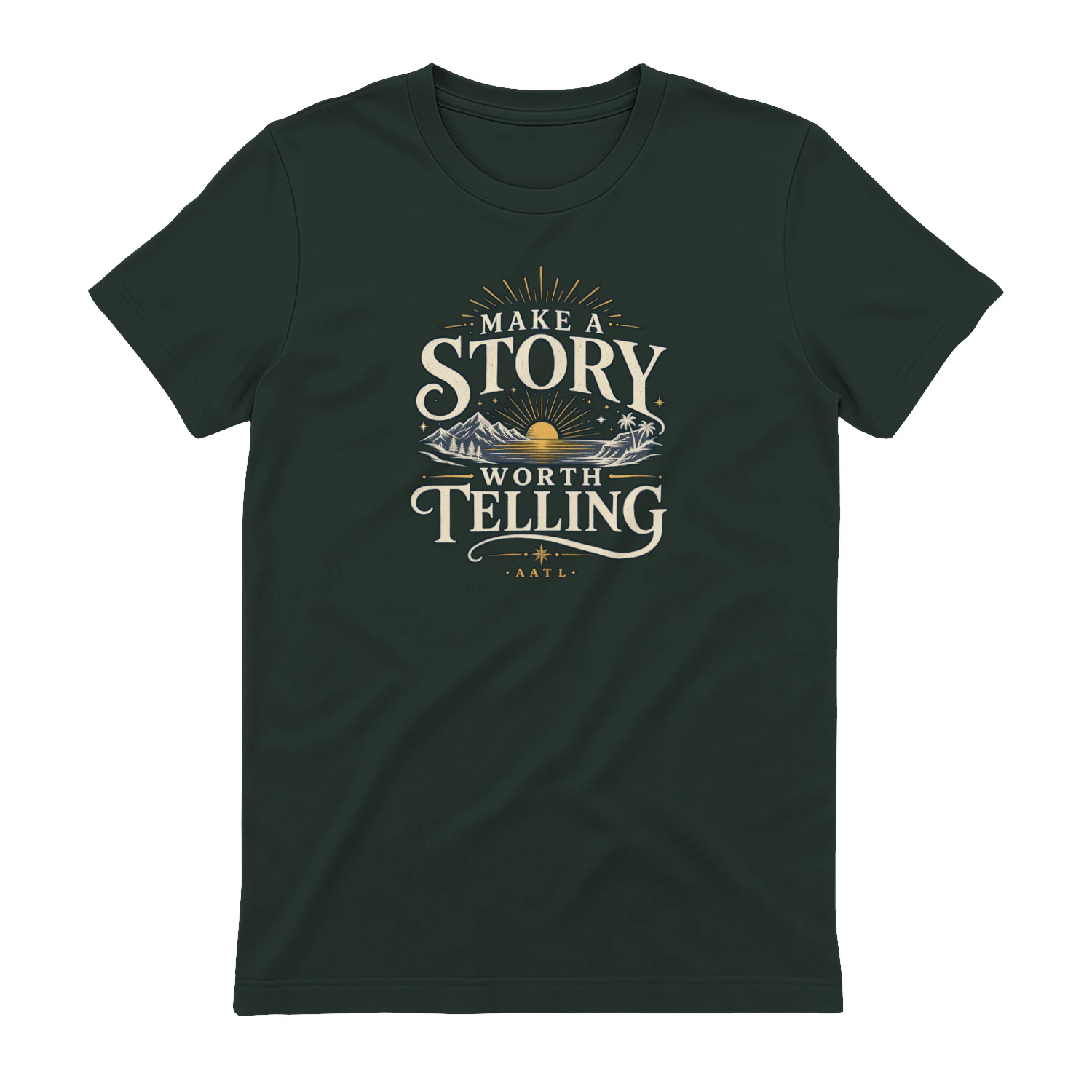
Make A Story Worth Telling
A scenic vintage-inspired design that encourages you to “Make A Story Worth Telling.” Mountains, water, sunset, and tropical details give it an adventurous feel that’s perfect for travelers, explorers, and anyone who wants a life filled with moments worth remembering.