
story
Havasu Falls: Planning a Respectful, Prepared Visit
Havasu Falls is easy to recognize in photographs.
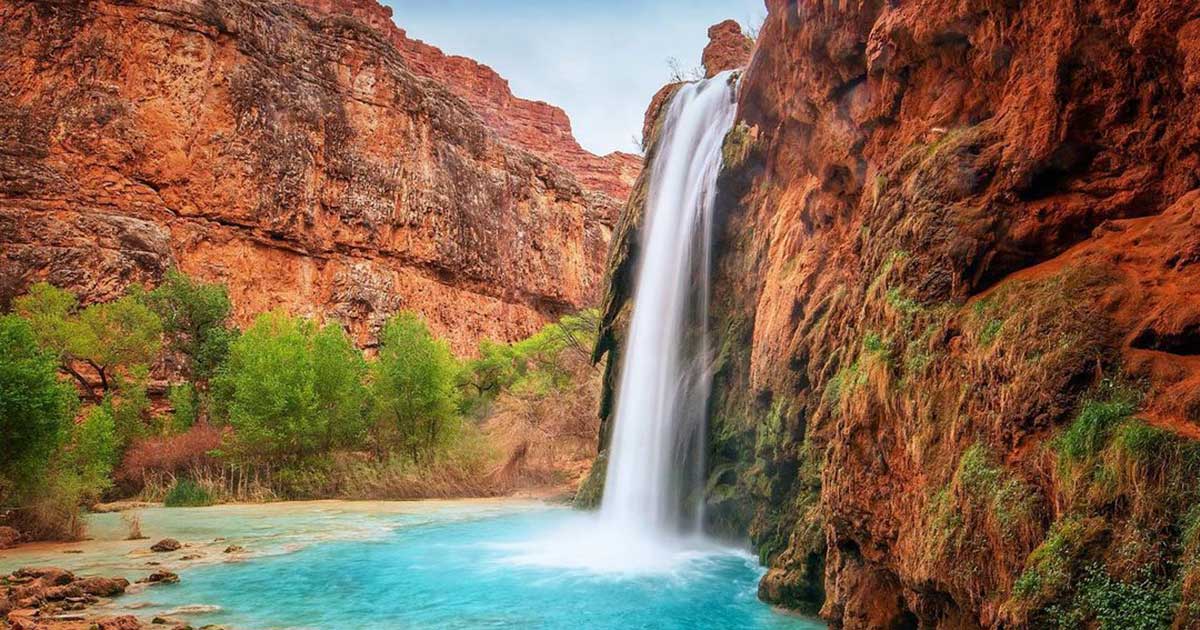
Havasu Falls is easy to recognize in photographs. Planning a visit takes more than recognizing the waterfall. This is Havasupai land, and the Havasupai Tribe sets the terms for entering, staying and moving through the canyon. The place is somebody’s home as well as a destination that draws visitors from far away.
As of August 31, 2026, the Havasupai Tribe’s official tourism site says Havasupai is open. Conditions in the canyon can still change with weather, so check the official tourism site again shortly before travel.
The first decision is whether you can commit to the actual trip: an advance booking, several nights, a demanding approach and responsibility for your own supplies. Once those pieces fit, the waterfall becomes part of a considered visit instead of a beautiful image with an itinerary attached afterward.
Understand the booking before choosing travel dates
The official reservation support page says every visitor needs a permit booked before arrival. Current bookings are four days and three nights. Campground reservations are priced per person, while lodge reservations are priced per room. The original trip leader or a potential alternate named when booking must be present at check-in with valid photo identification. Havasupai booking requirements.
Before anyone in a group buys transportation, settle who is booking, who can serve as an alternate and whether every person can make the same dates. Treat those as practical commitments. A group conversation about “going sometime in spring” is a different stage of planning from a valid reservation for specific people and dates.
Avoid relying on informal resale offers. Use the Tribe’s own booking system and support channels, and save the confirmation and instructions somewhere you can consult them offline. The authoritative information should travel with you rather than remain buried in somebody else’s inbox.
Budget for the whole visit
For 2026, official prices are $455 per person for a three-night campground permit and $2,277 for a three-night lodge room accommodating up to four people. These are dated figures, not permanent prices. Check the current permit-price page before making a budget.
The reservation is only one part of the cost. Work out transportation, any lodging before or after the canyon visit, food and the equipment you need to carry your plans through. A cheaper-looking option is not automatically the better one if it assumes you already own suitable gear or can comfortably carry a heavier load.
The Tribe’s current cancellation policy says cancellations completed at least 90 days before the first day of the permit start date are eligible for a 50% refund of the permit fee, excluding any early access fee. Cancellations made within 90 days are non-refundable. Refunds are returned to the original payment card and may take several weeks to process. Because tribal policies can change, verify the current cancellation terms before booking.
Plan for the approach, including the return
The Tribe’s entrance rules place Supai Village eight miles from Hualapai Hilltop and the campground another two miles beyond. They state there is no water along the trail and advise hiking during the coolest part of the day. Those details should shape the trip before scenic extras are added.
Think about the return while planning the descent. The same gear has to come back out, and a comfortable pace at the start does not guarantee a comfortable final day. Try your loaded pack before the trip and be realistic about what each person can manage.
The official visitor guidance makes visitors responsible for their food and water and explains that the Tribe may close areas. Plan to be self-sufficient. Do not count on an unconfirmed service, a last-minute purchase or somebody else carrying supplies that your own plan requires.
Respect the village and the boundaries
The entrance rules prohibit photography of tribal members, burial sites and anything in the village, as well as commercial photography and drones. They also prohibit jumping or diving from falls and require visitors to remain on prescribed trails. Read the complete rules, including the weather and emergency information, before traveling.
For anyone bringing a camera, that means planning photographs around permitted places and respecting a boundary without trying to negotiate around it. A wide landscape view is not an excuse to ignore restrictions on the people or community within the frame. Keep the camera put away where photography is prohibited.
Build time to read notices and follow directions rather than treating the itinerary as something that must be completed regardless of conditions. You are a guest throughout the visit, not only at check-in.
Give the trip enough room to change
A waterfall visit should not depend on checking off every nearby destination. Leave room for rest, weather, a slower pace and the needs of the least comfortable person in the group. Optional excursions should remain optional, even when somebody has traveled a long way for them.
Havasu is also a useful reminder that natural destinations can have very different access systems. Turner Falls involves a managed recreation park; Havasupai requires a multiday booking on tribal land. Plan for the place you are actually visiting, and let that preparation support the experience once you arrive.

All About The Life
Make A Story Worth Telling
A scenic vintage-inspired design that encourages you to “Make A Story Worth Telling.” Mountains, water, sunset, and tropical details give it an adventurous feel that’s perfect for travelers, explorers, and anyone who wants a life filled with moments worth remembering.